Regenerative Aesthetics: How PRP Helps Your Skin Heal Itself
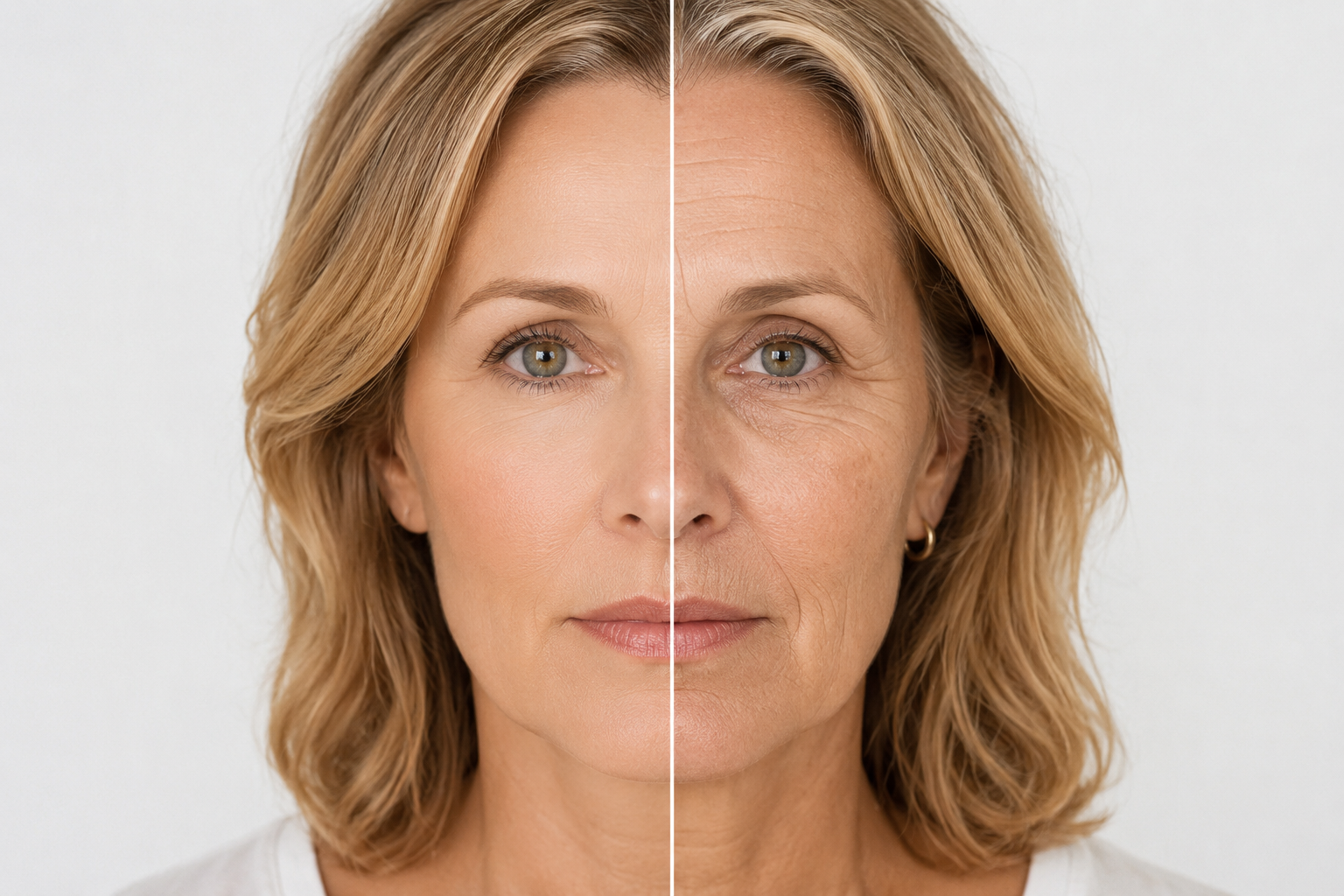
Your skin already knows how to heal. It does it every time you get a cut, a bruise, or a sunburn. Regenerative aesthetics takes that natural ability and puts it to work for anti-aging.
Instead of adding something foreign to your face, platelet-rich plasma (PRP) therapy uses concentrated healing proteins from your own blood to stimulate collagen, improve skin texture, and restore a more youthful appearance from the inside out.
This is not about covering up aging. It is about giving your skin what it needs to repair and renew itself.
What Is Regenerative Aesthetics?
Regenerative aesthetics is a field of cosmetic medicine that works with your body's own biology rather than against it. Instead of masking the signs of aging with temporary fixes, it activates your body's natural repair systems to produce real, lasting change in your skin.
Think of it this way. Conventional cosmetic treatments add something to your face. Regenerative treatments wake up what is already there.
At the center of this approach are growth factors, proteins your body naturally produces to repair damaged tissue, build collagen, and regenerate healthy cells. This aligns closely with integrative medicine, which looks at the body as a whole system rather than a collection of separate problems to fix.
How PRP Works: The Science Made Simple
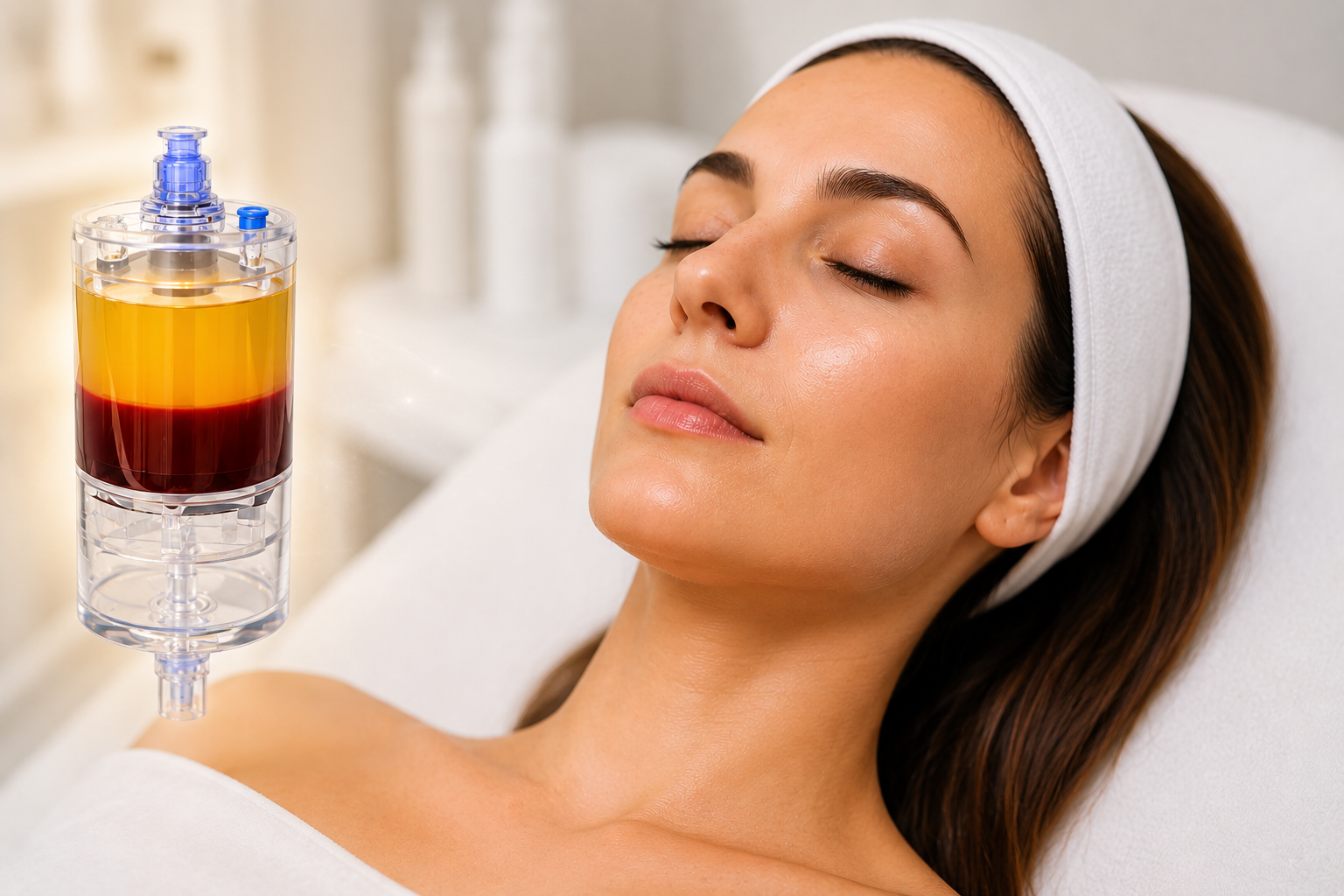
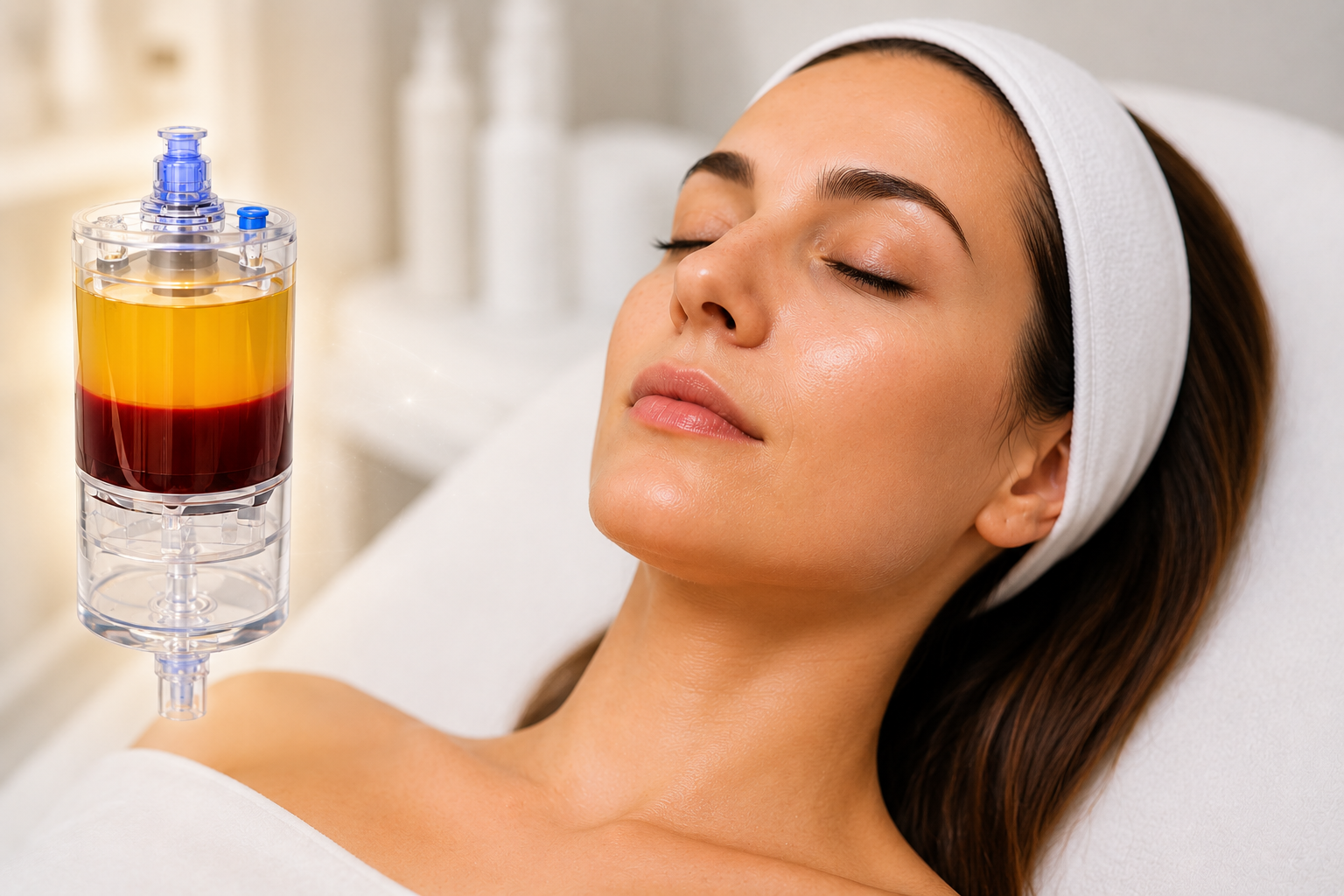
PRP starts with a small sample of your own blood, typically about two to four tablespoons drawn from your arm. That sample is placed into a centrifuge, which spins it at high speed to separate the different components of your blood.
What gets isolated is a concentrated layer of platelets, the tiny cells your body sends to any site of injury to begin the healing process. In this concentrated form, platelets release growth factors including PDGF, VEGF, and TGF-beta, proteins that signal your skin to produce new collagen, increase blood flow, and repair damaged tissue.
When PRP is delivered into targeted areas of your face, your skin responds the way it would to an injury, by healing and rebuilding. The difference is that you are directing that healing exactly where you want it.
PRP Facial vs. PRP Facelift: Which One Do You Need?
Both treatments use PRP, but they work differently and target different concerns.
A PRP facial combines microneedling with PRP. Tiny needles create controlled micro-channels in the surface of your skin, and PRP is applied to absorb through those openings. This works best for improving skin texture, reducing pore size, fading acne scars, and evening out skin tone.
A PRP facelift goes deeper. PRP is delivered directly into the layers of skin where collagen production happens. This targets volume loss, sagging, deep creases, and the kind of structural aging that surface treatments cannot reach.
Not All PRP Is Created Equal
PRP sounds straightforward, but the quality of the final product depends heavily on how it is prepared. The concentration of platelets, the purity of the sample, and the preparation method all affect how well PRP performs in the skin. A poorly prepared sample means fewer active growth factors and weaker results.
This is why the choice of PRP preparation matters as much as the treatment itself.
Matching the Right Treatment to Your Skin
For surface concerns like texture, tone, and acne scars, Collagen P.I.N.® Microneedling with EXO|E™ pairs precision microneedling with topical support to optimize skin renewal. For deeper concerns like volume loss, sagging, or structural aging, our PRP Facelift delivers PRP where collagen production happens most.
Are You a Good Candidate?
PRP works best when your body has a healthy foundation to build from. Most people in good general health are candidates. The treatment tends to show the most noticeable results in people beginning to see early signs of aging, such as subtle texture changes, dullness, or mild volume loss.
There are some situations where PRP may not be appropriate, including if you have a bleeding disorder or take blood thinning medications, have an active skin infection in the treatment area, have a history of abnormal scarring, or have low or abnormal platelet counts.
A consultation is always the best way to confirm whether PRP is the right fit for your skin goals and health history.
What to Expect at SageMED
At SageMED in Bellevue, PRP treatments are clinician-guided and tailored to your skin concerns and health history. Your provider will assess your skin, walk you through your options, and recommend the approach that makes the most sense for your goals.
The process starts with a small blood draw, similar to routine lab work. Your sample is then processed using the EmCyte Super-Concentrated PRP system, a closed sterile preparation designed to achieve 10 to 12 times higher platelet concentration than many standard systems. This means more active growth factors delivered where your skin needs them most.
Most patients see early changes within a few weeks, with continued improvement over two to three months. Many patients choose two to three sessions spaced several weeks apart for more noticeable results.
If you are ready to explore what regenerative aesthetics can do for your skin, we invite you to book a consultation at SageMED. Our team serves patients throughout the Greater Seattle area.
Frequently Asked Questions
How many PRP sessions do I need?
Most patients see the best results with two to three sessions spaced several weeks apart. Your provider will recommend a plan based on your skin concerns and how your skin responds after the first session.
How long do PRP results last?
Many patients notice continued improvement for several months after treatment as collagen remodeling progresses. Results vary depending on age, skin condition, lifestyle, and whether you complete a recommended series.
Is PRP safe?
PRP is generally well tolerated because it is prepared from your own blood, which significantly reduces the risk of allergic reaction. Temporary redness and mild swelling are common in the days following treatment. A consultation confirms whether PRP is appropriate for your health history.
related blogs