

TMS Therapy in Bellevue | SageMED
Non-invasive brain stimulation for treatment-resistant depression and anxiety
Non-invasive TMS therapy (transcranial magnetic stimulation) at SageMED in Bellevue to support depression and anxiety care by targeting mood-related brain circuits with a structured treatment schedule.
Targeted brain stimulation: TMS therapy is delivered without anesthesia or sedation, using focused magnetic pulses to stimulate mood-related brain regions.
20-minute sessions: Structured TMS appointments designed to fit into daily life, with no downtime for most patients.
Clinician-guided care: Treatment plans are led by Dr. David Deichert with ongoing monitoring and coordination with your broader mental health care.
What Is TMS Therapy?
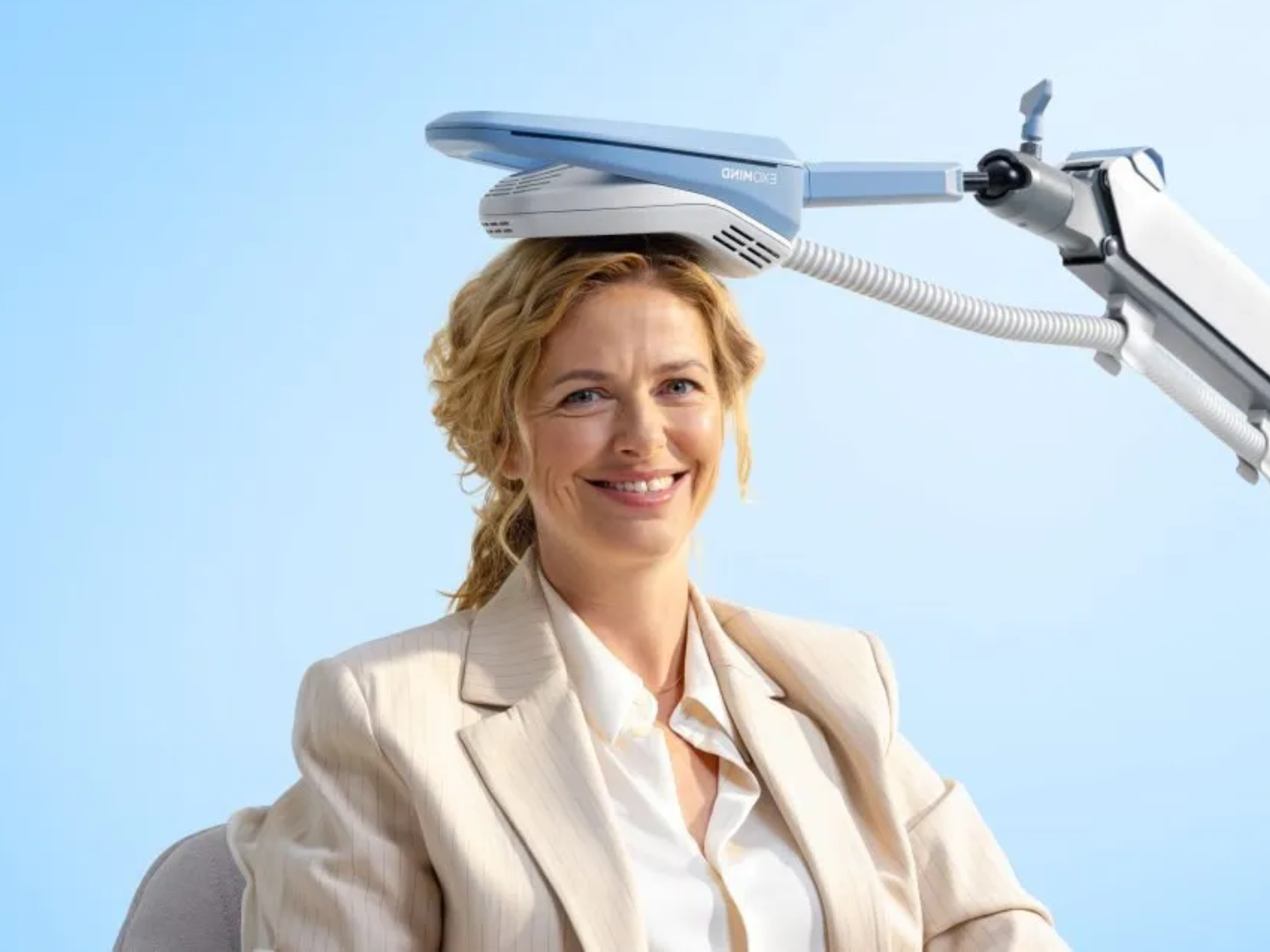
TMS therapy, also called transcranial magnetic stimulation, uses focused magnetic pulses to stimulate specific brain regions involved in mood regulation. In many people with depression, certain areas of the brain can show reduced activity. TMS treatment is designed to support healthier communication between neurons by targeting these underactive circuits.
Clinical research shows that many patients experience meaningful improvement, and some achieve remission. Outcomes vary based on diagnosis, symptom severity, and prior treatment history.
How Does TMS Therapy Work?
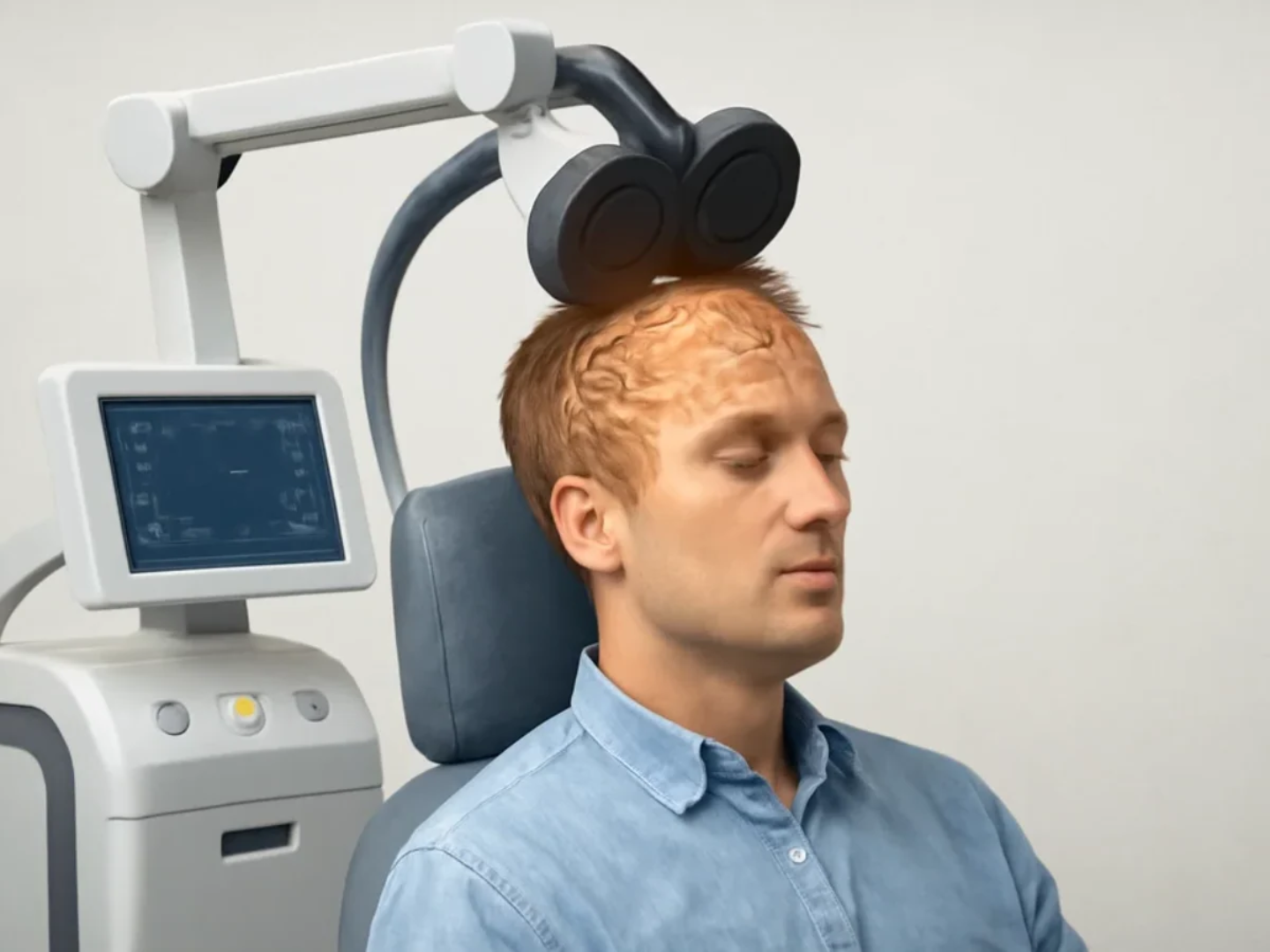
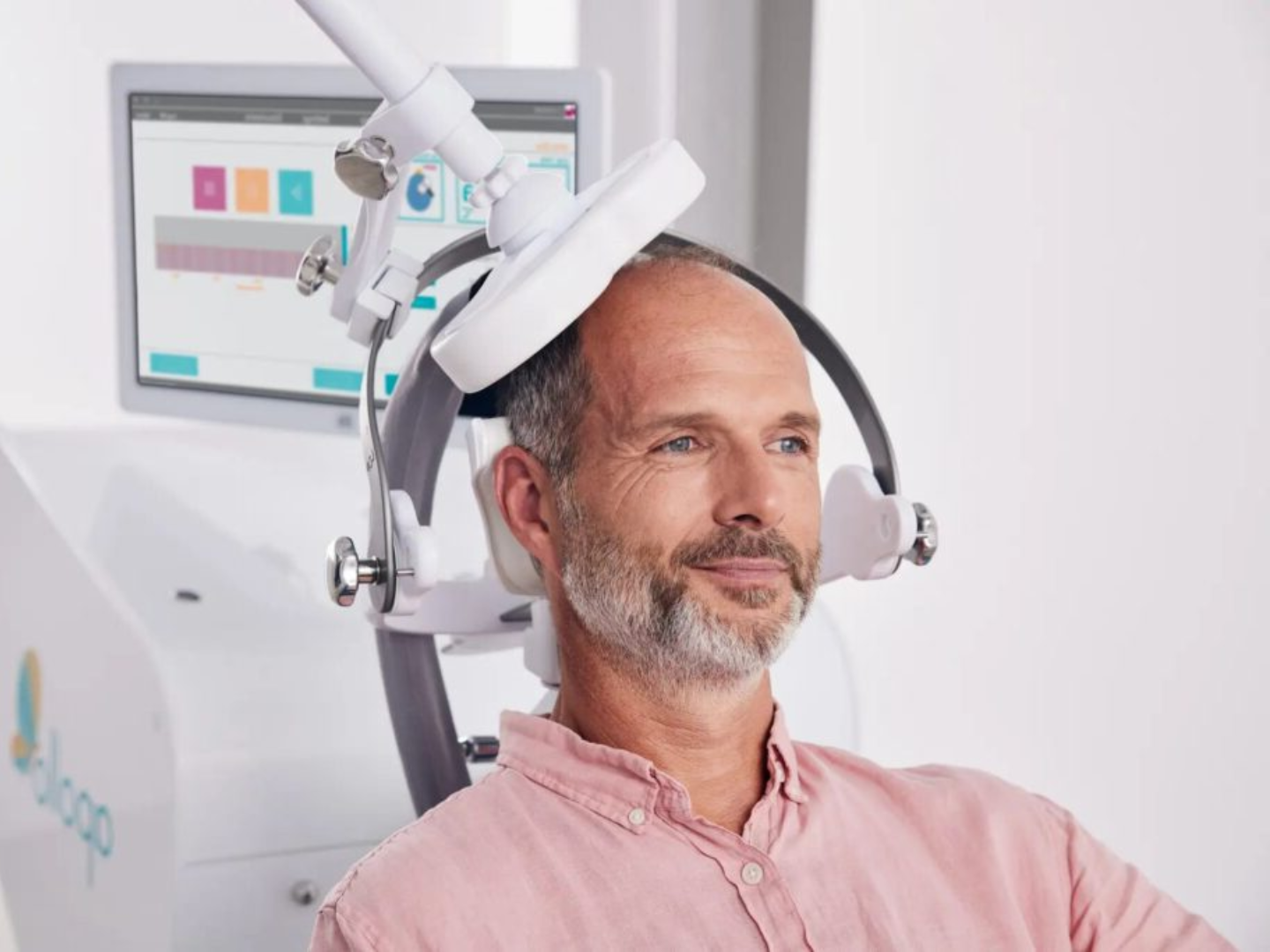
TMS therapy uses a magnetic coil placed near the scalp to deliver pulses to targeted brain regions, commonly the dorsolateral prefrontal cortex, which plays an important role in mood regulation. These pulses are intended to help normalize neural activity and improve signaling between brain circuits associated with depression symptoms.
Treatment Schedule
A typical treatment plan follows a structured schedule:
- 5 days per week for 6 weeks
- About 20 minutes per session
- 6 taper sessions over the following 3 weeks
TMS therapy is non-invasive, does not require anesthesia, and most patients can return to daily activities immediately after each session.
Potential Side Effects of TMS Therapy
TMS therapy is generally well tolerated. Possible side effects may include:
- Mild headache
- Scalp sensitivity or discomfort during treatment
- Temporary fatigue in some individuals
Side effects are often mild and tend to improve as treatment continues. Patients remain awake and alert during sessions and are typically able to drive themselves home afterward.
A Patient Story
TMS Success Story: A Life Transformed by TMS
"I’ve struggled with depression for over two decades, trying multiple medications without lasting relief. When I found SageMED, I was at my lowest point—feeling hopeless, overwhelmed by self-loathing, and considering suicide. After working with Dr. Deichert, I began TMS therapy. It was truly life-changing. For the first time in years, I feel functional, content, and truly alive. I owe my recovery to TMS and the holistic care I received at SageMED."
— LT
Individual experiences vary, and results depend on many factors.
Why Choose SageMED for TMS Therapy?
As an integrative health clinic in Bellevue serving the Greater Seattle area, SageMED provides a supportive, clinician-guided environment for patients pursuing TMS therapy.
What to expect from our approach:
- Personalized evaluation to confirm candidacy and treatment fit
- Care led by Dr. Deichert with consistent progress monitoring
- A professional setting designed for comfort, privacy, and continuity
- Integrative support when appropriate, coordinated with your broader care plan
Insurance Coverage
Many insurance plans cover TMS therapy with prior authorization. Our team can help verify coverage and support the authorization process.
Please note:
- Medicare does not cover TMS therapy at SageMED.
- United Healthcare is not accepted for TMS services.
- Coverage varies by plan and medical criteria.
Frequently Asked Questions (FAQs)
How does TMS therapy stimulate the brain?
TMS uses magnetic pulses to stimulate targeted brain regions involved in mood regulation, supporting healthier neural signaling and communication.
How quickly will I see results with TMS?
Many patients notice improvement within the first few weeks, with continued changes throughout the treatment course. Results vary, and some patients continue improving after completing the series.
Does TMS therapy hurt?
TMS is non-invasive and generally well tolerated. Some patients feel tapping or mild scalp discomfort during treatment, which often improves over time.
How does TMS compare to medications?
TMS may be considered for patients who have not responded well to antidepressants or cannot tolerate medication side effects. A clinician can help determine whether TMS is appropriate for your situation.
How does TMS compare to ECT?
Unlike ECT, TMS typically does not require sedation, and most patients can return to daily activities shortly after sessions. Treatment selection depends on medical history and symptom severity.
Is TMS therapy used for anxiety or OCD?
TMS is used clinically for depression, and some protocols are also used for anxiety-related symptoms and OCD depending on diagnosis, clinical evaluation, and treatment planning.
Who should avoid TMS therapy?
TMS is not recommended for individuals with non-removable metal implants in or near the head (excluding braces or dental fillings). A consultation helps confirm safety based on your medical history.
Schedule Your TMS Therapy Consultation Today
If you’re struggling with depression or anxiety, TMS therapy may be an option worth exploring. Schedule a consultation with Dr. Deichert to review your symptoms, treatment history, and whether TMS is a good fit.
Ready to discuss your TMS therapy plan?
Request an appointment or contact SageMED to learn more about whether Transcranial Magnetic Stimulation (TMS) is right for you.