

Stem cell therapy & Orthobiologic Injections
Regenerative injections designed to support joint, tendon, and ligament healing using tissue-derived biologics, with clinician-guided planning at SageMED in Bellevue.
Options may include PRP, BMAC, and adipose-derived preparations
Designed to support pain reduction, function, and tissue recovery
Safety-first screening with personalized recovery guidance

What Is Stem Cell Therapy?
"Stem cell therapy" is a common term people use when searching for regenerative treatments for joint pain and orthopedic injuries. In practice, many in-office regenerative injections are better described as orthobiologic injection therapies. These treatments use tissue-derived biologic materials that may support the body's natural healing response in joints, tendons, and ligaments.
At SageMED (Bellevue, serving the Greater Seattle area), we focus on orthobiologic injection options that are designed to support tissue repair signaling and function, with treatment selection based on your diagnosis, severity, and goals.
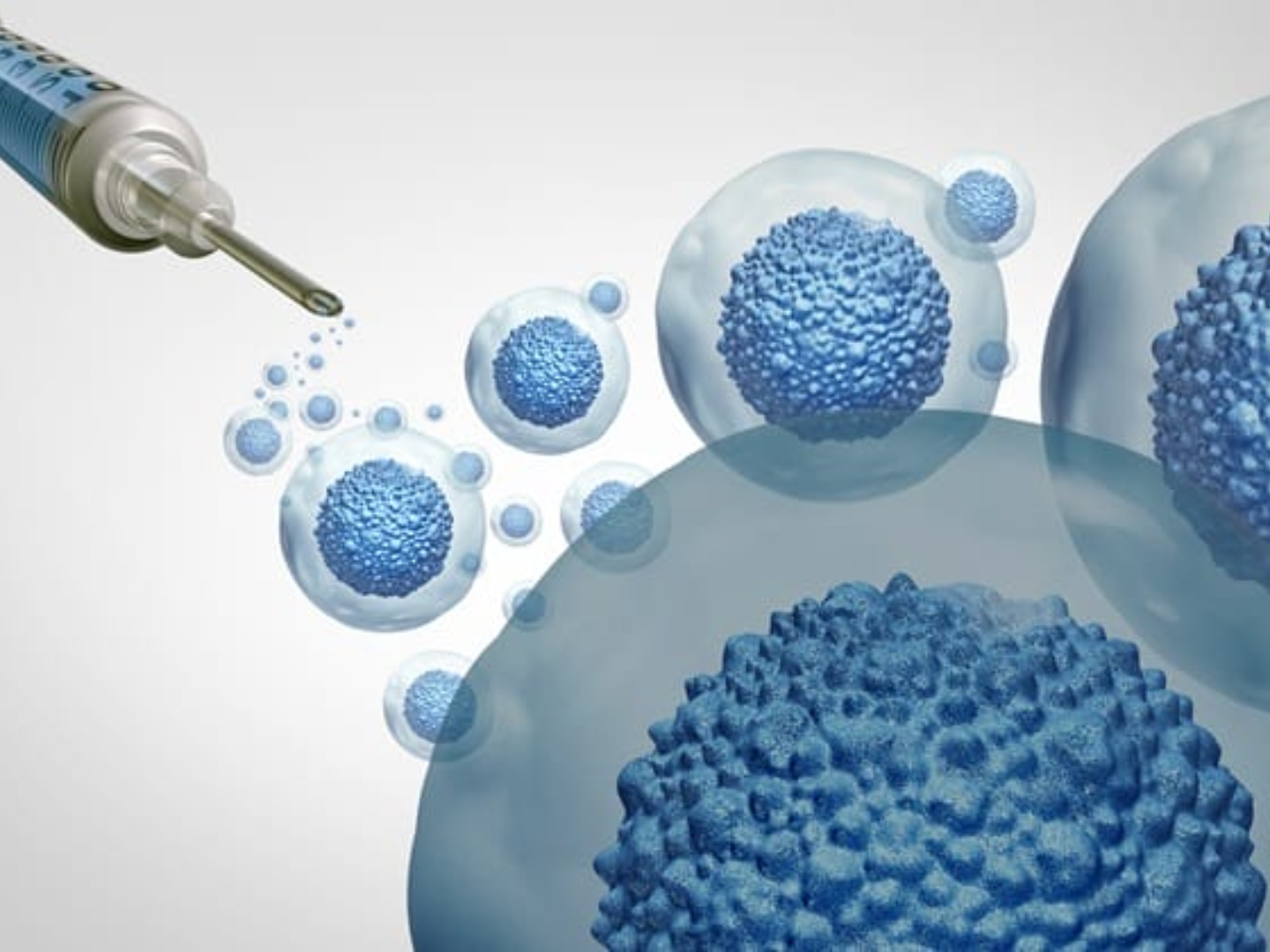
How Stem Cell Therapy Works
Orthobiologic injections are typically performed using a three-step process:
- Stem Cell or Tissue Collection: Depending on the option recommended, biologic material may be collected from bone marrow (commonly used for BMAC) or adipose tissue (fat) using a minimally invasive procedure.
- Processing and Concentration: Collected material is processed to concentrate biologically active components used in regenerative care. Processing methods vary by option and protocol.
- Targeted Injection: The prepared biologic material is injected into the injured joint or soft tissue. These injections are intended to support tissue signaling, local environment health, and recovery.
Conditions Commonly Addressed With Regenerative Orthobiologic Injections
Orthobiologic injections are commonly considered for:
- Osteoarthritis: May help support pain reduction and joint function for select patients, depending on severity and joint findings.
- Tendon conditions: Often used for chronic tendinopathy (tendonitis) and certain partial tendon injuries, depending on clinical evaluation.
- Ligament injuries: May support recovery in select ligament sprains or chronic ligament-related pain patterns.
- Chronic joint pain: May be considered when conservative care has not provided adequate improvement.
Important terminology note: "Stem cell injection" can be used loosely in marketing. Currently, the injection of cultured mesenchymal stem cells is not legal in the U.S. SageMED emphasizes accurate terminology and clinician-guided recommendations based on what is appropriate and compliant.
What Are Orthobiologic Injections?
Orthobiologic injections include regenerative treatments that use biologic materials derived from your own body to support healing processes. Common categories include:
- Platelet-Rich Plasma (PRP)
- Bone Marrow Aspirate Concentrate (BMAC)
- Adipose-derived tissue preparations containing medicinal signaling components (often referred to as "MSCs" in clinical conversation)
Orthobiologic Injection Therapy is sometimes marketed as "stem cell therapy," but these are not the same as injections of cultured stem cells. Orthobiologics may contain regenerative cell populations and signaling factors, but the correct classification depends on the specific preparation and protocol.
At SageMED, we may recommend adipose-derived tissue preparations in appropriate cases. This typically involves removing a small amount of fat tissue and preparing it to focus on biologically active components used in regenerative care. Depending on your case, clinicians may discuss combining regenerative options such as PRP or other supportive injectates as part of a tailored plan.

Clarifying Terminology: "Stem Cell" vs Orthobiologics
When someone says "stem cell injection," they often mean a treatment that contains only mesenchymal stem cells. Orthobiologic injections can be rich in regenerative cell populations and biologic signaling factors, but they are not the same as cultured mesenchymal stem cell injections.
Because terminology is frequently misused, SageMED prioritizes:
- Clear explanation of what is being injected
- Transparent discussion of what it is designed to do
- Realistic expectations based on diagnosis and severity
Be cautious of clinics that use "stem cell therapy" language without clearly defining the exact product and preparation being used.
Types of Orthobiologic Injections
Platelet-Rich Plasma (PRP) Injections
What it is: PRP is derived from your own blood and contains concentrated platelets that release growth factors involved in tissue repair signaling.
Benefits: May support healing response, collagen remodeling, and recovery in select conditions.
Best for: Tendinopathy, ligament sprains, muscle strains, and some joint conditions.
Bone Marrow Aspirate Concentrate (BMAC) Injections
What it is: BMAC is obtained from bone marrow and contains a mix of cell populations and growth factors used in regenerative medicine.
Benefits: May support joint environment health and tissue recovery signaling depending on the condition.
Best for: Select degenerative joint conditions, cartilage-related issues, and certain ligament or tendon problems.
Adipose-Derived Tissue Preparations
What it is: Tissue derived from fat that can contain biologically active components used to support regenerative signaling.
Benefits: May support tissue recovery and comfort depending on diagnosis and technique.
Best for: Select cases of more advanced arthritis, joint instability, or chronic pain patterns when appropriate.
Stem Cell Therapy vs. Orthobiologic Injections: Which Is Right for You?
Many patients use "stem cell therapy" as a broad term, but the most appropriate recommendation depends on your condition and clinical findings.
In general:
- More advanced joint degeneration or complex cases may require more comprehensive orthobiologic planning (for example, BMAC or adipose-derived options when appropriate).
- Mild to moderate conditions may be well suited to PRP-based approaches or other conservative regenerative strategies.
Your SageMED clinician will evaluate your case and recommend the best-fit option based on diagnosis, imaging if available, medical history, and goals.
How SageMED Plans Your Orthobiologic Treatment
Comprehensive Evaluation
- Review of medical history, prior treatments, current symptoms, and functional limitations
- Physical exam to confirm pain generator and contributing factors
- Review of imaging (if available) and discussion of whether additional imaging is needed
Personalized Treatment Plan
- Selection of the most appropriate regenerative option (PRP, BMAC, adipose-derived preparation, or a staged plan)
- Procedure planning based on joint or tissue involved
- Recovery guidance that aligns with your activity level and goals
Follow-Up and Recovery Support
- Clear post-procedure instructions
- Guidance on return to activity and rehabilitation timing
- Follow-up planning to assess response and next steps if needed

What to Expect
Before Your Procedure
Your clinician will review your health history, medications, and supplements. You will receive individualized pre-procedure guidance and a recovery plan.
During the Procedure
Biologic material may be collected (if applicable), processed, and then injected into the target area. The total visit time varies depending on the specific injection type and treatment plan.
After the Procedure
Most patients experience temporary soreness or stiffness at the treatment site. Activity restrictions and rehab timing depend on the joint or tissue treated and your clinician's plan.
Risks and Side Effects
Orthobiologic injections are generally well tolerated, but risks can include:
- Temporary soreness, swelling, or bruising
- Temporary flare in symptoms during the early recovery period
- Rare risks seen with injection procedures, such as infection or bleeding
Your clinician will review contraindications and help determine whether regenerative injections are appropriate for you.
Safety and Legal Considerations
Important Notice: THIS NOTICE MUST BE PROVIDED TO YOU UNDER WASHINGTON LAW. This healthcare practitioner performs one or more stem cell therapies that have not yet been approved by the United States Food and Drug Administration. You are encouraged to consult with your primary care provider prior to undergoing stem cell therapy.
Additionally, please note: the injection of cultured mesenchymal stem cells is not legal in the U.S. SageMED emphasizes compliant, accurately described orthobiologic treatment options and patient education.
Stem-Cell Preparation and Reminder Guidelines
Before your procedure at SageMED, we require that you follow these important guidelines to support optimal outcomes. Your provider may adjust instructions based on your medical history.
Medication and supplement guidance
- Avoid anti-inflammatories, NSAIDs, ibuprofen, and similar agents for 2 weeks prior to injection and throughout therapy or recovery if directed by your clinician.
- Do not stop prescription medications unless your SageMED clinician specifically instructs you to do so.
- Discontinue fish oil 3 days before the procedure and resume the day after therapy, unless your clinician advises otherwise.
Lifestyle and procedure-day guidance
- Refrain from alcohol, smoking, or any tobacco use for 2 weeks leading up to the procedure and during recovery.
- An 8-hour fast is required before the injection. Bring a meal to eat after blood draw or tissue collection, as the procedure may last approximately 90 minutes.
- Arrange for someone to drive you home afterward if advised by your clinician.
Additionally, please adhere to any specific pre-procedure instructions provided by your SageMED provider. We look forward to assisting you in your treatment journey.
Take the Next Step
If you are exploring regenerative options for joint pain, arthritis, or sports injuries, a consultation can help clarify what is appropriate for your diagnosis and goals. Contact SageMED to schedule an evaluation at our Bellevue clinic, serving the Greater Seattle area.
Exploring other regenerative options?
SageMED offers a range of clinician-guided orthopedic injections and regenerative therapies, including PRP and Prolotherapy, to support joint, tendon, and ligament healing.
View Orthopedic Injection Services