Benefits of PRP Therapy for Natural Skin Rejuvenation
Platelet-rich plasma (PRP) therapy has become a widely discussed option in aesthetic medicine for individuals seeking natural skin rejuvenation. By using growth factors derived from your own blood, PRP therapy supports the body’s regenerative processes that help improve skin texture, tone, and overall skin quality. Rather than masking signs of aging, this approach works at a cellular level to encourage collagen production and long-term skin renewal.
In this article, we break down the top benefits of PRP therapy for natural skin rejuvenation, explain how the treatment works, and outline what to expect from results and recovery. Whether you are exploring early anti-aging options or looking to improve skin vitality, this guide offers a clear, evidence-informed overview to help you make confident, informed decisions.
What Is PRP Therapy for Skin Rejuvenation?
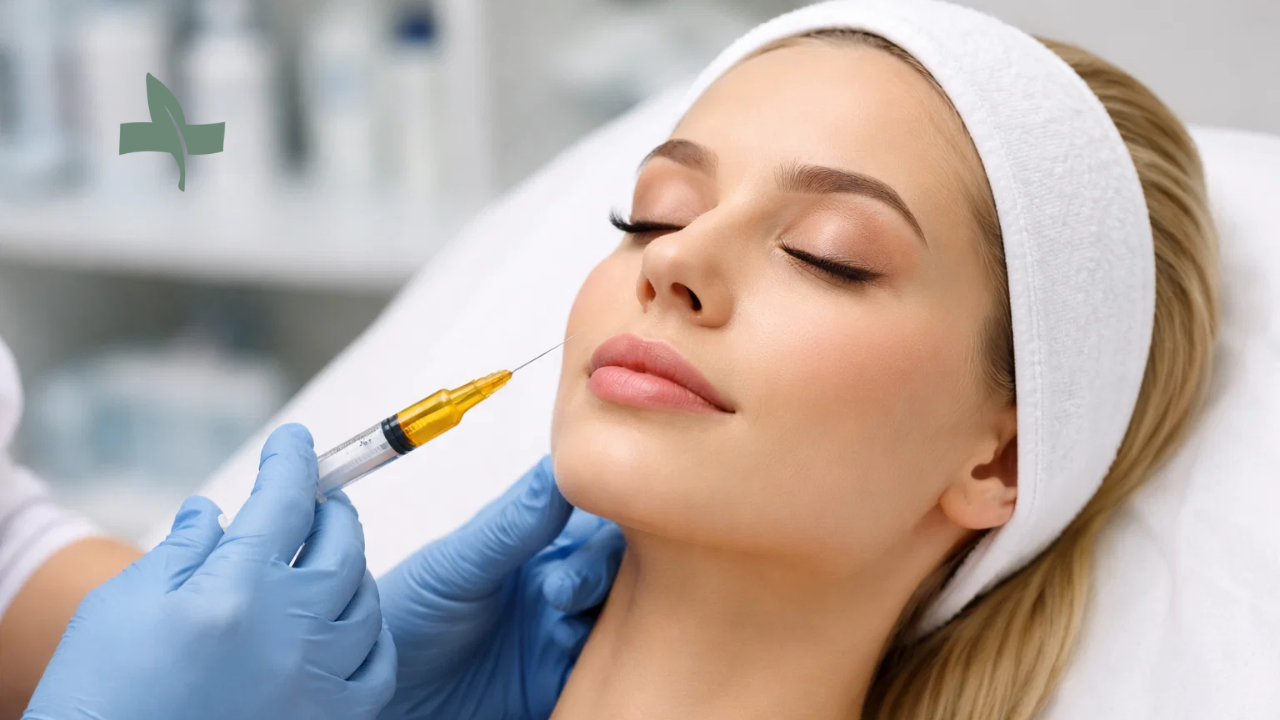
Platelet-rich plasma (PRP) therapy is a regenerative treatment that uses a concentrated portion of your own blood to support tissue repair. In simple terms, a clinician draws a small amount of blood, processes it to concentrate platelets in plasma, and then applies or injects that platelet-rich solution into targeted areas. Platelets contain growth factors and proteins involved in healing and cellular renewal, which is why PRP is used across multiple areas of medicine.
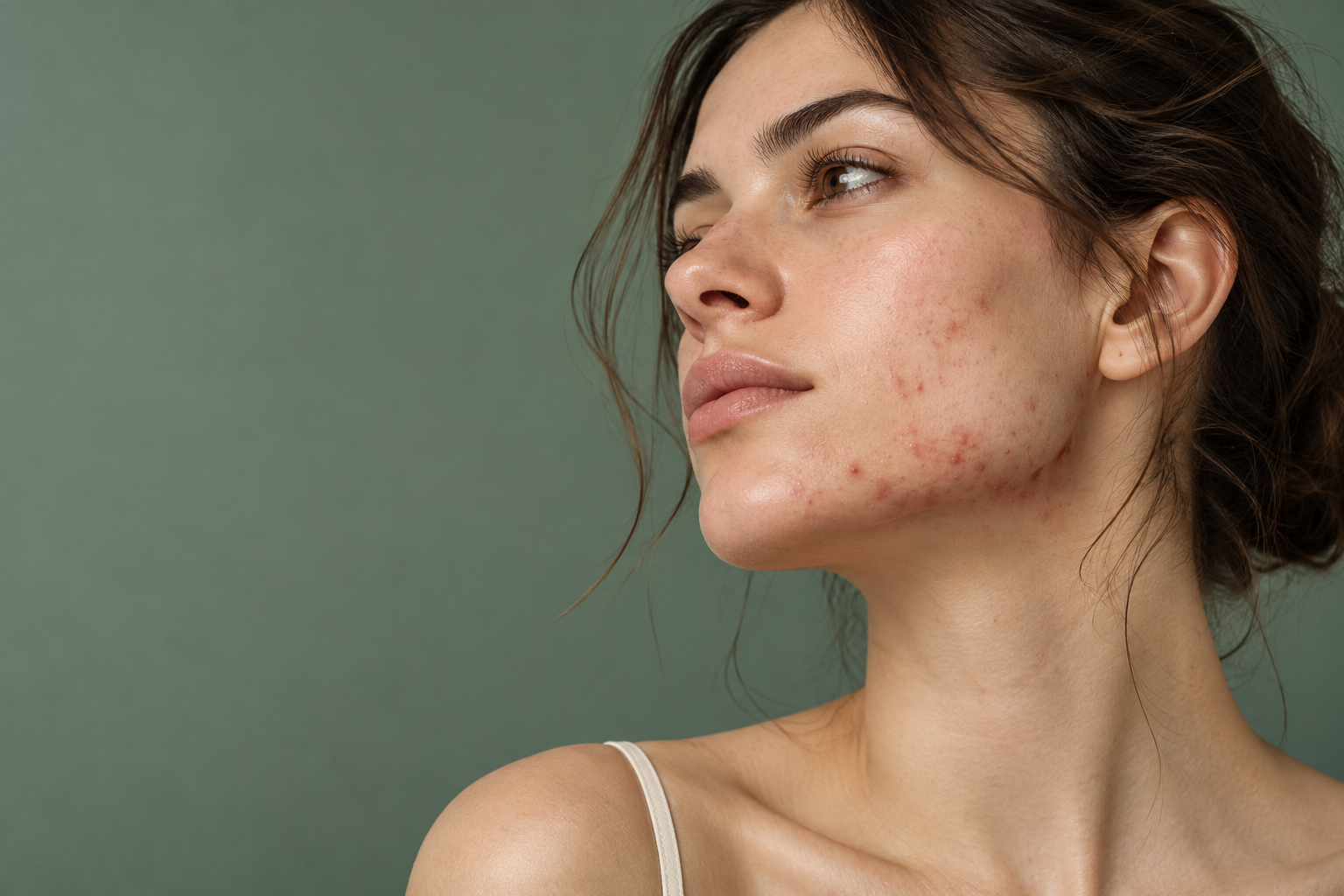
In aesthetics and dermatology, PRP therapy for skin rejuvenation is commonly used to support collagen production, improve overall skin quality, and complement procedures like microneedling. It is often discussed for concerns such as dullness, uneven texture, and post-acne scarring, but results can vary depending on technique, the condition being treated, and how PRP is combined with other modalities.
A key point for safe decision-making is that the evidence base is still evolving. Reviews describe potential benefits, particularly when PRP is combined with other skin treatments, while some controlled research suggests PRP injections alone may not reliably improve facial aging outcomes in certain groups. A consultation with a qualified clinician is essential to assess whether PRP is appropriate for your skin goals and risk profile.
How PRP Therapy Works
PRP skin therapy generally follows a standardized process that prioritizes sterile handling and individualized treatment planning:
Blood draw: A clinician draws a small amount of blood (often a few tablespoons).
Centrifugation: The sample is spun in a centrifuge to separate components and concentrate platelets in plasma.
Preparation: The platelet-rich portion is collected for treatment. Because it is made from your own blood, the risk of allergy is generally low, though standard procedure risks still apply.
Application to the skin: PRP is delivered either by targeted injections or applied in combination with microneedling, which creates controlled microchannels in the skin to support remodeling.
Recovery and aftercare: Many people return to normal activities quickly. Typical short-term effects can include redness, swelling, tenderness, or bruising, and these often improve over 24 to 48 hours depending on the technique used and individual sensitivity.
Because protocols differ (needle depth, PRP concentration, number of sessions, and whether microneedling is used), outcomes are best discussed with a clinician who can explain what approach they use, what results are realistic for your specific concern, and what post-treatment care supports healing.
6 Key Benefits of PRP Therapy for Natural Skin Rejuvenation
PRP therapy, short for platelet-rich plasma, is often used in aesthetic care to support skin rejuvenation by encouraging collagen activity and skin remodeling. Outcomes vary, and professional organizations note that evidence for cosmetic facial improvement is still developing.
1. Supports collagen production for firmer-looking skin
One reason PRP therapy is used for facial rejuvenation is its potential to stimulate collagen, a structural protein linked to skin firmness and resilience. PRP contains growth factors that can trigger cell reproduction and tissue regeneration, which may support gradual improvements in skin texture and elasticity.
2. Improves skin texture and tone
PRP is frequently combined with microneedling, which creates controlled micro-injuries to encourage skin remodeling. Clinical reviews and meta-analyses suggest that microneedling with PRP can improve the appearance of atrophic acne scars compared with microneedling alone in many study designs.
3. Helps soften the look of fine lines and mild wrinkles
Some clinical literature reports improvement in wrinkles and skin tone after PRP protocols, particularly in select areas and populations, but results are not consistent across all studies. A recent study in women aged 45 and older reported no notable improvement in facial skin appearance from PRP injections alone, reinforcing the importance of realistic expectations and individualized treatment planning.
4. Enhances overall skin “glow” and radiance over time
Patients often seek PRP skin rejuvenation for a healthier-looking complexion. The proposed mechanism is improved tissue turnover and remodeling, which may translate to more even-looking skin quality after a series of sessions. Keep in mind that improvements are typically gradual and depend on protocol, baseline skin concerns, and aftercare.
5. Minimally invasive with relatively short recovery
Because PRP is prepared from your own blood, the risk of allergic reaction is generally lower than with many injected medications. Common short-term effects after PRP injection style procedures can include soreness, swelling, tenderness, or bruising, often lasting a day or two.
6. Results can build gradually and may last months
PRP effects are not immediate. Guidance from major health systems notes that it can take weeks to months to see cosmetic improvement and that some people need more than one treatment. Duration varies, but effects may last six months to a year or longer depending on the individual and the protocol used.
Who Is a Good Candidate for PRP?
A good candidate for PRP therapy for skin rejuvenation is typically someone who wants a natural-leaning approach to improving skin quality and is comfortable with gradual change rather than instant results. PRP is commonly discussed for concerns like uneven texture, early fine lines, post-acne scarring, and dullness, often as a stand-alone series or combined with microneedling.
You may be a good fit if you:
Want to support collagen and overall skin quality with a minimally invasive procedure
Have mild to moderate texture concerns (including certain acne scars) and understand results are variable
Can follow aftercare instructions and commit to a multi-session plan if recommended
You should discuss PRP carefully with a qualified clinician if you:
Take blood thinners or have been advised to stop certain medications before a PRP procedure
Have certain blood conditions that may make you a poor candidate
Have an active infection or other medical issues that could increase risk (your clinician should screen these during consultation)
What Results Can You Expect From PRP Therapy?
With PRP therapy for natural skin rejuvenation, improvements are usually gradual, not instant. The American Academy of Dermatology (AAD) notes that when PRP works, full effects typically appear within a few weeks to months, and there is little to no downtime for many patients.
Typical timeline and number of sessions
PRP protocols vary, but the AAD reports that most patients who get results have 3 or more treatments. This is one reason PRP skin rejuvenation is often positioned as a series rather than a one-time procedure.
What changes may be noticeable
Reported goals often include improvements in overall skin quality, such as the look of fine lines, skin texture, and acne scarring. However, the AAD also emphasizes that evidence is still limited and outcomes can be unpredictable, so expectations should be individualized during consultation.
What recovery can look like
Even when downtime is minimal, short-term side effects can occur. The AAD notes pain, bruising, and swelling may happen and typically resolve within a few days. Cleveland Clinic similarly notes swelling and pain may last a day or two after PRP because it triggers an inflammatory healing response.
How long results may last
If you respond well, the American Academy of Dermatology (AAD) reports results can last as long as 18 months, though duration varies by person and protocol.
PRP Therapy vs Other Skin Rejuvenation Treatments
PRP therapy is often described as a regenerative approach because it uses components of your own blood to support tissue repair. Other popular options treat skin concerns differently, so the “best” choice depends on whether your priority is collagen support, volume replacement, or relaxing expression lines.
PRP vs Botox
Botulinum toxin injections (often called Botox) primarily reduce dynamic wrinkles by relaxing targeted facial muscles. The AAD notes results typically last about 3 to 4 months (sometimes longer). PRP, by contrast, is pursued for broader skin quality and collagen support, with effects developing over weeks to months.
PRP vs dermal fillers
Dermal fillers are designed to restore volume and can offer more immediate visible change, depending on the product and area treated. Cleveland Clinic notes many people see filler results right away, and that results may last months or even years, depending on the filler type. The AAD also emphasizes that fillers are generally temporary and often require repeat treatments to maintain results. PRP is sometimes used alongside fillers when both volume and skin quality are goals.
PRP vs microneedling
Microneedling triggers controlled skin remodeling through tiny punctures. The AAD notes microneedling downtime is usually minimal, with redness and sensitivity that commonly resolves within days to about a week. Cleveland Clinic adds that multiple treatments are common (often spaced weeks apart) and it may take 3 to 6 months to see results. PRP is frequently paired with microneedling, and a meta-analysis reported that microneedling plus PRP was more effective than microneedling alone for acne scars in the included studies.
When to Consult a Qualified Provider
Schedule a consultation before PRP therapy so a qualified clinician can confirm whether platelet-rich plasma is appropriate for your skin goals and health history. The American Academy of Dermatology notes PRP is being used by some dermatologists for younger-looking skin, but outcomes vary, so an individualized plan matters.
During your visit, a provider should review:
Your skin concerns and expectations: PRP for natural skin rejuvenation is usually a gradual process, and many people need multiple sessions to see meaningful change. A
Your medical history and medications: PRP involves a blood draw and injections or microneedling, so your clinician should screen for factors that can raise risk, including bleeding concerns and infection risk.
Situations where PRP may not be appropriate: Clinical guidance and reviews describe contraindications in certain contexts, including active infection and active cancer, with nuance depending on the individual and the condition. This is why disclosure of your health history is essential.
Conclusion
PRP therapy for natural skin rejuvenation is designed to support your body’s repair processes, with goals that often include collagen support, improved texture and tone, and a healthier-looking complexion over time. Because results are typically gradual, PRP is commonly done as a series, and the American Academy of Dermatology notes that when it works, results may last up to 18 months for some people.
If you are considering PRP skin rejuvenation, the safest next step is a consultation with a qualified provider who can review your medical history, explain realistic outcomes, and tailor a plan based on your skin concerns and risk factors.
read this next