
How Focused Shockwave Therapy Restores Blood Flow for Erectile Dysfunction
What to know
Focused shockwave therapy for erectile dysfunction is a noninvasive treatment that uses low-intensity acoustic waves to support tissue repair and healthier blood flow.
It is generally discussed for men with mild to moderate vasculogenic ED, meaning erectile dysfunction related mainly to reduced blood vessel function.
The goal is not just temporary symptom relief. Shockwave therapy is intended to help improve the underlying blood flow issues that contribute to some cases of ED.
Early research is promising, but shockwave therapy is not considered a standard first-line treatment for erectile dysfunction in the United States.
A full evaluation is still important because ED can also be linked with hormone imbalance, cardiometabolic health, stress, medication effects, and other medical conditions.
Focused shockwave therapy is one of the newer treatment options being explored for erectile dysfunction, especially in men whose symptoms are related to reduced penile blood flow. By delivering low-intensity acoustic waves to targeted tissue, this therapy is intended to stimulate repair, support new blood vessel growth, and improve circulation in a way that may help restore erectile function.
For some men, this may offer a noninvasive option beyond pills alone. Still, erectile dysfunction is not always caused by poor blood flow. Symptoms may also be influenced by hormone imbalance, cardiovascular risk factors, stress, sleep issues, or other underlying health concerns. That is why treatment should begin with proper evaluation and realistic expectations rather than assuming one solution fits every case.
What Is Focused Shockwave Therapy for Erectile Dysfunction?
Focused shockwave therapy for erectile dysfunction is a noninvasive treatment that uses low-intensity acoustic waves to target tissue in the penis. It is most often discussed for men with vasculogenic ED, meaning erectile dysfunction related primarily to reduced blood flow. Unlike oral medications, which help create a temporary response, focused shockwave therapy is intended to stimulate repair in the treated area and support healthier vascular function over time.
You may also see this treatment referred to as low-intensity extracorporeal shockwave therapy (Li-ESWT). The goal is to improve blood vessel health in a way that may help some men achieve better erectile function more naturally. While this approach has drawn attention because it addresses an underlying physical factor in ED, results vary and not every patient is an ideal candidate.
How Shockwave Therapy Improves Blood Flow
An erection depends on healthy blood flow to penile tissue. Focused shockwave therapy delivers controlled acoustic energy that creates a mild healing response in the treated area. This process is thought to support angiogenesis, or the formation of new blood vessels, while also encouraging tissue remodeling and improved circulation. In simple terms, the treatment aims to help the penis develop better vascular support for erections.
This blood-flow-focused mechanism is what makes shockwave therapy most relevant for men with mild to moderate vascular ED. If reduced circulation is a major reason for symptoms, improving vascular function may help improve erection quality. At the same time, erectile dysfunction is often more complex than blood flow alone, which is why treatment tends to work best when it is part of a broader evaluation of men’s sexual health, hormones, lifestyle factors, and cardiovascular wellness.
Who Is a Good Candidate for Shockwave Therapy?
Focused shockwave therapy may be most appropriate for men withmild to moderate vasculogenic erectile dysfunction, especially when reduced blood flow appears to be a major factor. In general, better candidates are those who still have some erectile response, may have partial benefit from ED medications, and want to explore a noninvasive option as part of a broader treatment plan.
A patient may be a stronger candidate if he:
has mild to moderate vascular ED
still gets some response with erections
has partial benefit from ED medication
wants a noninvasive treatment option
is open to a broader men’s sexual health evaluation
Not every case of ED is caused mainly by blood flow issues. Some men may have symptoms more closely related to hormone imbalance, medication side effects, nerve injury, stress, anxiety, depression, sleep problems, or cardiometabolic conditions such as diabetes and cardiovascular disease. Because of that, the best first step is a proper men’s sexual health evaluation rather than assuming shockwave therapy is the right fit for every patient.
What Happens During Treatment?
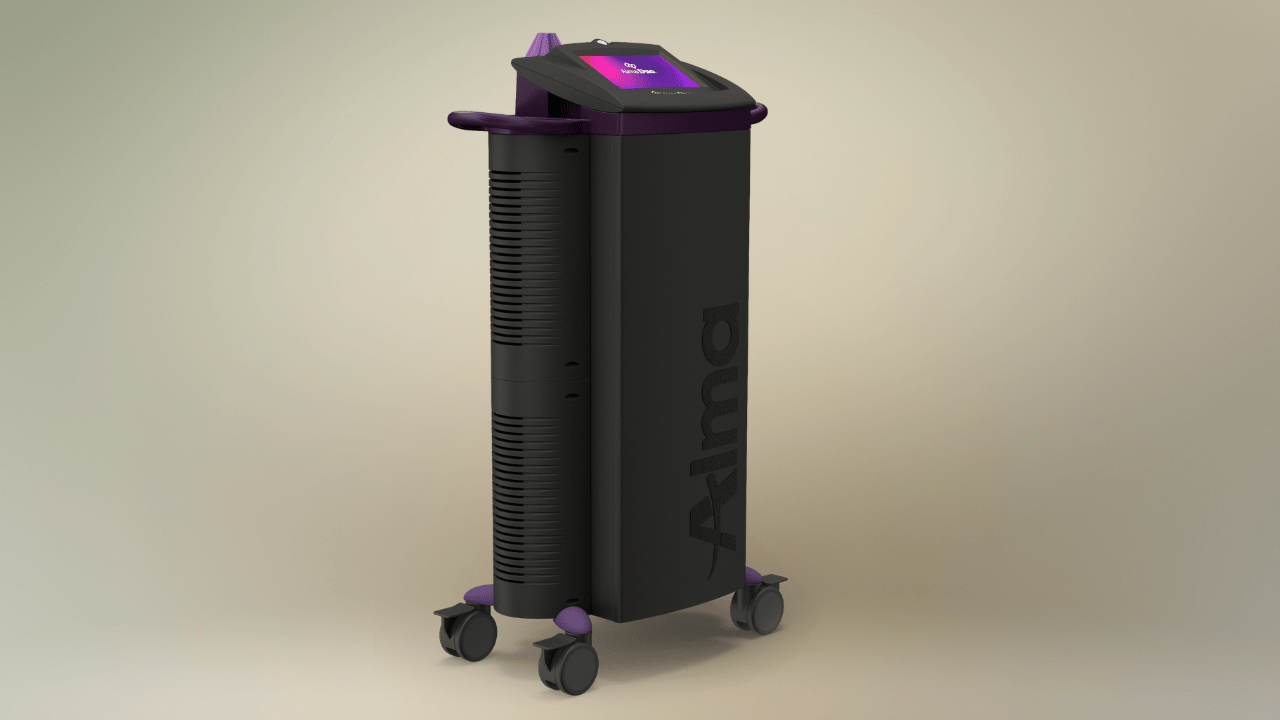
Focused shockwave therapy is typically performed in an outpatient setting using a handheld device that delivers low-intensity acoustic waves to targeted areas. Sessions are usually brief, and most treatment plans involve multiple visits over several weeks rather than a single appointment. The goal is to deliver controlled energy in a structured series to support tissue repair and improved vascular function over time.
The treatment is generally described as noninvasive, with little to no downtime afterward. Most patients are able to return to normal daily activity the same day. Some men may notice mild discomfort during treatment, but it is commonly presented as well tolerated. Because protocols can vary by provider, patients should ask how many sessions are recommended, what type of device is being used, and what results are realistic for their specific type of ED.
How Effective Is Shockwave Therapy for ED?
Focused shockwave therapy for erectile dysfunction is best described as promising, but not definitive. Current evidence suggests it may improve erectile function in some men, particularly those with mild to moderate vasculogenic ED, but results are not universal and the strength of evidence still has limitations. The European Association of Urology states that low-intensity shockwave therapy can produce a mild improvement in erectile function among patients with vasculogenic erectile dysfunction.
It is also important to set expectations carefully. Cleveland Clinic notes that some men may notice better erectile response after treatment, but shockwave therapy is not FDA-approved for ED in the United States, and the American Urological Association classifies it as investigational or experimental rather than standard treatment.
For patients, this means focused shockwave therapy should be viewed as one possible option within a broader treatment plan, not as a guaranteed fix. It may be more appropriate for selected men with blood-flow-related ED than for men whose symptoms are driven mainly by psychological causes, advanced nerve injury, or other complex medical factors.
Risks and Limitations
Focused shockwave therapy is generally presented as a noninvasive treatment with minimal downtime, and serious side effects appear to be uncommon. Cleveland Clinic describes the treatment as well tolerated, but that does not mean it is risk-free or appropriate for everyone.
The larger issue is often uncertainty rather than safety. Treatment protocols vary by clinic, device, energy settings, and number of sessions, which makes outcomes harder to compare across studies. Research shows not all devices marketed as “shockwave therapy” are the same, and medical organizations still do not consider it a standard first-line ED treatment.
Patients should also understand that even when treatment helps, the improvement may not be permanent. Shockwave therapy is not a lasting solution for every man, which is why evaluation of overall sexual health, cardiovascular risk, hormones, and lifestyle factors remains important before moving forward.
Other Integrative Treatments for Erectile Dysfunction
Focused shockwave therapy is only one part of erectile dysfunction care. Because ED can be influenced by vascular health, hormone balance, stress, sleep, medication effects, and cardiometabolic risk, treatment often works best when it is tailored to the underlying cause rather than centered on a single procedure. Mayo Clinic notes that ED management may include lifestyle changes, oral medications, counseling, vacuum devices, injections, testosterone replacement in selected men with low testosterone, and penile implants in more advanced cases.
An integrative approach may include:
improving exercise habits
weight management
better sleep quality
blood sugar control
blood pressure management
smoking cessation
counseling when stress, anxiety, depression, or relationship strain contribute to symptoms
PDE-5 inhibitors such as sildenafil or tadalafil are still common first-line options for many men, while testosterone therapy may be considered only when a true testosterone deficiency is present.
For patients comparing options, the key question is not only “What helps erections?” but also “What is causing the problem?” That is where a broader men’s sexual health evaluation becomes important. A personalized plan may combine medical treatment, lifestyle support, and further testing rather than relying on one therapy alone.
When to See a Men’s Sexual Health Specialist
It is a good idea to see a men’s sexual health specialist when erectile dysfunction is persistent, worsening, or affecting quality of life or relationships. Medical evaluation is also important if ED appears alongside reduced libido, fatigue, difficulty maintaining erections, cardiovascular risk factors, diabetes, or possible hormone imbalance. ED can sometimes be an early sign of broader vascular or metabolic health issues, so it should not always be treated as an isolated concern.
If you are looking for a men’s sexual health evaluation in Bellevue or the Greater Seattle area, a specialist can help determine whether focused shockwave therapy is reasonable for your situation, whether another treatment is more appropriate, or whether additional testing is needed first.
This is especially important because shockwave therapy is not considered the standard first-line treatment for erectile dysfunction in the United States, and good candidate selection matters.
Frequently Asked Questions
Is focused shockwave therapy FDA-approved for erectile dysfunction?
The U.S. Food and Drug Administration has not approved low-intensity shockwave therapy for ED, and the American Urological Association still considers it experimental rather than standard treatment.
Who is the best candidate for shockwave therapy for ED?
Current guidance suggests the best candidates are usually men with vasculogenic ED, especially mild to moderate cases where reduced blood flow is a major factor. The European Association of Urology notes that low-intensity shockwave therapy can produce a mild improvement in erectile function in patients with vasculogenic ED.
How many shockwave therapy sessions are usually needed?
Treatment plans vary by provider and device, but the therapy is generally performed over multiple sessions spread across several weeks rather than as a one-time treatment. Patients should ask how many sessions are recommended, what device is being used, and how results are measured.
Can shockwave therapy be combined with ED medication?
It may be, depending on the patient’s diagnosis and treatment plan. Since erectile dysfunction can involve vascular, hormonal, psychological, or metabolic factors, treatment is often individualized and may include medications, lifestyle changes, counseling, or other therapies alongside procedural options.
Does insurance usually cover shockwave therapy for ED?
Not usually. Because low-intensity shockwave therapy is not FDA-approved for ED, it is often an out-of-pocket expense rather than an insurance-covered treatment.
When should someone see a specialist for erectile dysfunction?
A medical evaluation is a good idea when ED is ongoing, worsening, or affecting quality of life. Assessment may include a physical exam, medical and sexual history, and testing for underlying conditions, especially when other health issues may be involved.
References
read this next