Breathing Exercises for Anxiety: Simple Techniques to Calm Your Body
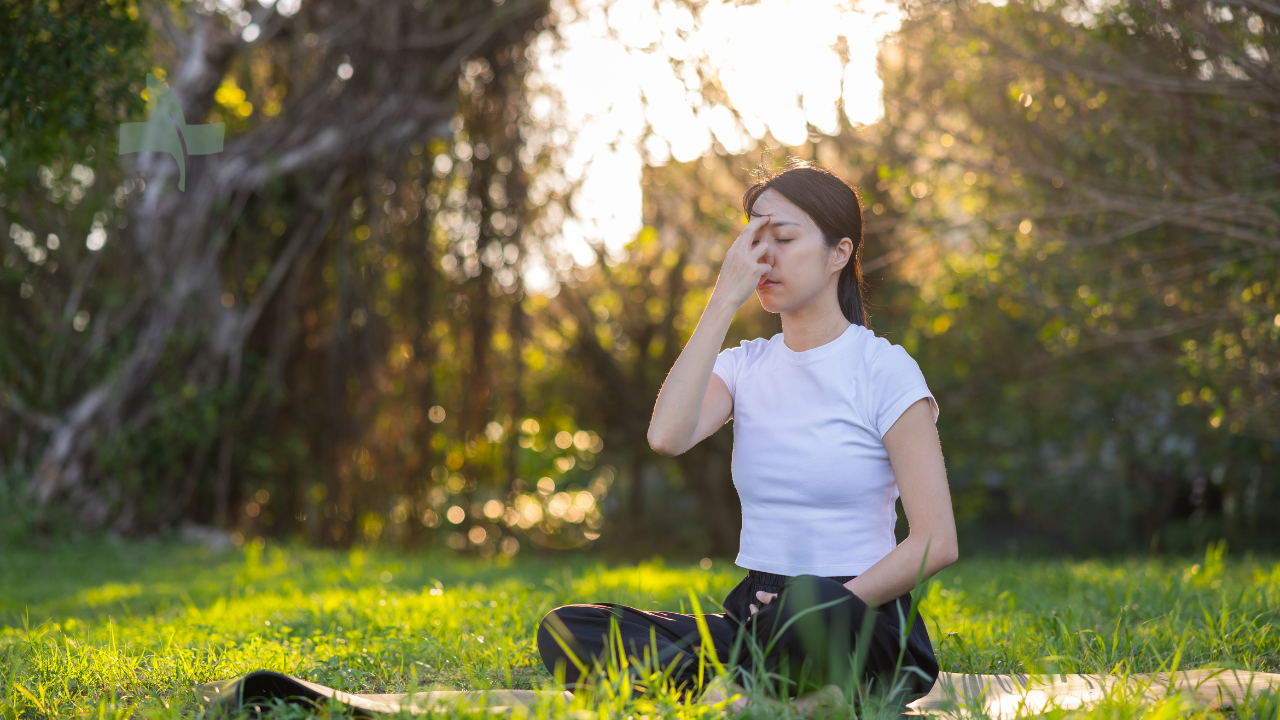
Anxiety often shows up in the body before we even find words for it. A tight chest, racing thoughts, and shallow breathing can quickly make everyday situations feel overwhelming. In those moments, it is easy to feel out of control, yet one of the most effective tools for calming the body is something you already do all day long: breathing.
Breathing exercises for anxiety use slow, intentional breaths to signal safety to your nervous system. By shifting how you breathe, you can help lower your heart rate, relax tense muscles, and create a sense of steadier focus. These techniques are simple, portable, and can be practiced almost anywhere.
In this article, we will look at how breathing affects the stress response, offer practical guidelines to get started, and walk through several step by step exercises you can try. You will also learn when it is important to talk with a healthcare professional about ongoing anxiety.
What Are Breathing Exercises for Anxiety?
Breathing exercises for anxiety are simple techniques that change the pace and depth of your breath to help calm the body. Instead of the fast, shallow breathing that often comes with stress, these practices focus on slow, steady inhaling and exhaling. This shift gives your nervous system a clear signal that it is safe to relax.
Most breathing exercises follow a structured pattern, such as counting the length of each inhale and exhale or focusing on breathing into the belly instead of the upper chest.
They can be practiced sitting, lying down, or even standing, and do not require any special equipment. While they are not a substitute for professional mental health care, they are a supportive tool that many people use alongside therapy, medication, or other treatments.
How Breathing Helps Calm the Nervous System
When you feel anxious, your body often enters a “fight or flight” state. Heart rate increases, breathing becomes faster, and muscles tense in preparation to respond to a perceived threat. This response is helpful in true emergencies but uncomfortable and draining when it is triggered by daily stressors, worries, or persistent anxiety.
Slow, controlled breathing helps activate the parasympathetic nervous system, which is sometimes described as the “rest and digest” mode. As you take deeper, slower breaths, the body receives a message that it can shift away from high alert.
Over time, this can help lower heart rate, ease muscle tension, and support clearer thinking. Regular practice of breathing exercises for anxiety may also support better sleep, emotional regulation, and overall stress resilience.
Simple Guidelines Before You Start
Before you begin any breathing exercises for anxiety, it helps to set yourself up for success. Start by finding a comfortable position. You can sit in a chair with your feet flat on the floor, sit cross legged, or lie on your back with a small pillow under your head and knees. Let your shoulders drop away from your ears and soften your jaw.
Whenever possible, breathe in through your nose and out through your nose or gently parted lips. Try to focus on breathing into your belly rather than lifting your shoulders or upper chest.
If you feel lightheaded at any point, pause the exercise and return to your natural breathing pattern. It is usually better to practice for a few minutes at a time, once or twice a day, than to push yourself for a long session when you are already feeling overwhelmed.
Breathing Exercises for Anxiety to Try
Below are several simple breathing exercises for anxiety that you can use at home, at work, or before sleep. You do not need to do them all. Start with one or two techniques and notice which feel most calming and easy to repeat.
1. Box Breathing
Box breathing, also called four square breathing, uses equal counts for inhaling, holding, and exhaling. It is often helpful when you feel “on edge” or need to steady your focus.
Sit comfortably with your back supported.
Inhale slowly through your nose to a count of 4.
Hold your breath gently for a count of 4.
Exhale through your nose or mouth for a count of 4.
Pause with empty lungs for a count of 4.
Repeat this pattern for 1 to 3 minutes. If 4 counts feels too long, try 3 counts instead.
2. Diaphragmatic (Belly) Breathing
Diaphragmatic breathing trains you to use your diaphragm rather than shallow chest breathing. This can reduce tension in the neck and shoulders and support a calmer nervous system.
Sit or lie down and place one hand on your chest and one hand on your belly.
Gently relax your abdominal muscles.
Inhale through your nose so that the hand on your belly rises, while the hand on your chest stays mostly still.
Exhale slowly through slightly parted lips, feeling your belly fall back toward your spine.
Continue for 5 to 10 breaths, then rest and return to normal breathing.
3. Extended Exhale Breathing
With extended exhale breathing, the out breath is slightly longer than the in breath. This pattern can be especially useful when you feel jittery or restless.
Sit or lie in a comfortable position.
Inhale gently through your nose for a count of 4.
Exhale through your nose or mouth for a count of 6 or 8.
Keep the breath smooth, not forced.
Repeat for several cycles, then allow your breathing to return to its usual rhythm.
4. Visualization Breathing
Visualization breathing pairs the rhythm of your breath with calming images or phrases. This can help anchor your attention when your mind feels busy.
Close your eyes if that feels comfortable.
Take a few natural deep breaths to settle.
As you breathe in, imagine drawing in a sense of calm or light.
As you exhale, imagine tension, worry, or heaviness leaving your body.
You can add a quiet phrase such as “breathing in calm” on the inhale and “breathing out tension” on the exhale.
Continue for a few minutes, then gently open your eyes and notice how your body feels.
How To Use These Techniques in Daily Life
Breathing exercises for anxiety are most helpful when they become part of your routine, not just something you use in emergencies. Many people find it useful to practice once or twice a day when they already feel relatively calm. This helps train the nervous system and makes it easier to use the techniques when stress rises.
You can build short breathing breaks into your day, such as:
A few minutes of belly breathing after you wake up.
Box breathing before a meeting, appointment, or difficult conversation.
Extended exhale breathing in the evening to unwind before sleep.
If you notice anxiety starting to build, you can use one of these patterns as a grounding tool. The goal is not to erase every symptom instantly, but to give your body a clear signal to slow down and help your mind feel more anchored in the present moment.
When To Talk With a Healthcare Professional
While breathing exercises for anxiety can be valuable tools, they are only one part of caring for your mental health. It is important to reach out for professional support if anxiety is affecting your daily life, work, school, or relationships. Signs that you may benefit from a medical or mental health evaluation include frequent panic episodes, trouble sleeping most nights, or constant worry that feels hard to control.
You should seek prompt medical care if you experience chest pain, shortness of breath, dizziness, or other new or severe physical symptoms, especially if you are unsure whether they are related to anxiety.
A licensed mental health professional or healthcare provider can help identify underlying causes, discuss treatment options, and incorporate techniques like breathing exercises into a broader, individualized care plan.
Key Takeaways
Breathing exercises for anxiety are simple tools you can use to help calm your body and mind. By slowing your breath and focusing on deeper, more intentional inhales and exhales, you support the “rest and digest” side of your nervous system and counter some of the physical effects of stress.
Techniques like box breathing, diaphragmatic breathing, extended exhale breathing, and visualization breathing can be practiced almost anywhere, and only require a few minutes at a time. Consistent practice often matters more than duration. Over time, these methods may help you respond to stressful situations with greater steadiness, improve sleep quality, and support overall emotional resilience.
If anxiety continues to feel overwhelming despite self care strategies, it is important to speak with a qualified healthcare or mental health professional. They can help you explore a full range of treatment options and integrate breathing exercises into a broader, evidence-based plan for your wellbeing.
read this next