Urge Incontinence: Causes, Symptoms, and Effective Treatments
Urge incontinence can be both uncomfortable and disruptive, causing a sudden, uncontrollable need to urinate, often before you can reach the bathroom. This common condition, often linked to an overactive bladder, affects both men and women and can significantly impact daily life, confidence, and sleep quality.
In this blog, we’ll explore what urge incontinence is, why it happens, and how to recognize the symptoms early. You’ll also learn about evidence-based treatment options, from pelvic floor exercises and lifestyle changes to advanced therapies that can help you regain control and improve your bladder health.
What Is Urge Incontinence?
Urge incontinence occurs when the bladder contracts suddenly, creating a strong, uncontrollable need to urinate. It happens even when the bladder is not full, and the urge is often so intense that leakage occurs before reaching the bathroom. This condition is one of the most common types of urinary incontinence and is frequently associated with an overactive bladder.
While urge incontinence can affect anyone, it is more common among older adults and those with underlying medical conditions that impact bladder function. Although it may feel embarrassing or isolating, urge incontinence is a medical issue with proven treatment options that can significantly improve comfort and confidence.
How It Affects Bladder Control
Normally, your bladder muscles remain relaxed while it fills and tighten only when it’s time to urinate. In urge incontinence, these muscles contract too early or too often, signaling an urgent need to empty the bladder.
This miscommunication between the brain, nerves, and bladder muscles leads to involuntary leakage.
How It Differs from Stress or Overflow Incontinence
Urge incontinence involves an overactive bladder that squeezes unexpectedly. Stress incontinence, on the other hand, results from weakened pelvic floor muscles and occurs during physical movements like coughing, sneezing, or exercising.
Overflow incontinence happens when the bladder cannot empty completely, leading to small, frequent leaks. Understanding these distinctions helps patients and providers choose the most effective management strategies.
Common Causes of Urge Incontinence
Several factors can trigger or worsen urge incontinence, from medical conditions to lifestyle habits. Identifying the underlying cause is essential to finding the right treatment plan.
Overactive Bladder and Nerve Communication Issues
The most frequent cause of urge incontinence is an overactive bladder. When nerve signals between the bladder and brain become irregular, the bladder muscles contract at inappropriate times.
Conditions like multiple sclerosis, Parkinson’s disease, or spinal cord injuries can disrupt these signals, leading to involuntary urination.
Medical Conditions That Contribute
Certain health issues make urge incontinence more likely. These include diabetes, urinary tract infections, menopause-related hormonal changes, prostate enlargement in men, and post-surgical nerve irritation.
Some neurological disorders can also alter how the bladder senses fullness, increasing urinary urgency.
Lifestyle and Medication Factors
Everyday habits and medications can influence bladder activity. Caffeine, alcohol, and carbonated beverages act as diuretics, stimulating the bladder.
Smoking, obesity, and constipation also increase pressure on the bladder. Additionally, some antidepressants, diuretics, and antihypertensive drugs may heighten symptoms by affecting bladder control mechanisms.
Recognizing the Symptoms
Urge incontinence symptoms can vary from mild to severe and may develop gradually over time. The main characteristic is a sudden, overwhelming need to urinate that is difficult to control. Many people also experience urinary leakage before reaching the bathroom, especially when the bladder contracts unexpectedly.
Early Signs to Watch For
Common early signs include frequent urination during the day, waking up multiple times at night to urinate (nocturia), and feeling an urgent need to go even when the bladder is not full.
Some may notice small leaks after drinking caffeinated or carbonated beverages, which can irritate the bladder and trigger urgency.
Emotional and Quality-of-Life Impact
Urge incontinence can significantly affect emotional well-being. Individuals may feel anxious about being far from a restroom or embarrassed about potential leakage.
Over time, this can lead to social withdrawal, disrupted sleep, and stress. Recognizing the emotional effects is just as important as managing the physical symptoms, as both impact overall quality of life.
How Urge Incontinence Is Diagnosed
A proper diagnosis helps identify the cause of urge incontinence and rule out other conditions with similar symptoms. Healthcare providers use a combination of history-taking, physical exams, and diagnostic tests to develop a personalized treatment plan.
Medical History and Physical Examination
Your healthcare provider will start by reviewing your medical history, current medications, and urinary habits. They may ask about fluid intake, leakage patterns, and triggers.
A pelvic or rectal exam can help assess muscle tone and check for signs of pelvic floor weakness or prostate enlargement.
Tests and Tools Used for Diagnosis
Common diagnostic tests include urinalysis to rule out infection or blood in the urine, bladder diaries to track urination frequency, and ultrasound imaging to evaluate bladder emptying.
Urodynamic testing may also be performed to measure how well the bladder stores and releases urine. These evaluations provide valuable insights to guide the most effective treatment approach.
Evidence-Based Treatment Options
Urge incontinence can be effectively managed with the right combination of therapies and lifestyle changes. Treatment aims to calm overactive bladder contractions, strengthen muscle control, and improve overall bladder function.
Behavioral and Lifestyle Interventions
For many people, non-invasive approaches can significantly reduce symptoms. These methods are often the first line of treatment:
Bladder retraining: Scheduling bathroom visits at set intervals helps your bladder learn to hold urine longer between trips.
Pelvic floor exercises (Kegels): Strengthening pelvic muscles improves bladder control and reduces leakage.
Dietary adjustments: Limiting caffeine, alcohol, and carbonated drinks can help minimize irritation and urgency.
Fluid timing: Drinking most fluids earlier in the day and reducing intake before bedtime may prevent nighttime urges.
Medical and Procedural Therapies
If conservative methods do not fully control symptoms, medical treatments or procedures may be recommended:
Medications: Certain oral drugs or bladder relaxants can help calm overactive muscles.
Botox injections: These relax bladder muscles to reduce spasms and improve control, with effects lasting about six months.
Nerve stimulation therapy: Procedures such as sacral or tibial nerve stimulation help restore normal bladder communication with the nervous system.
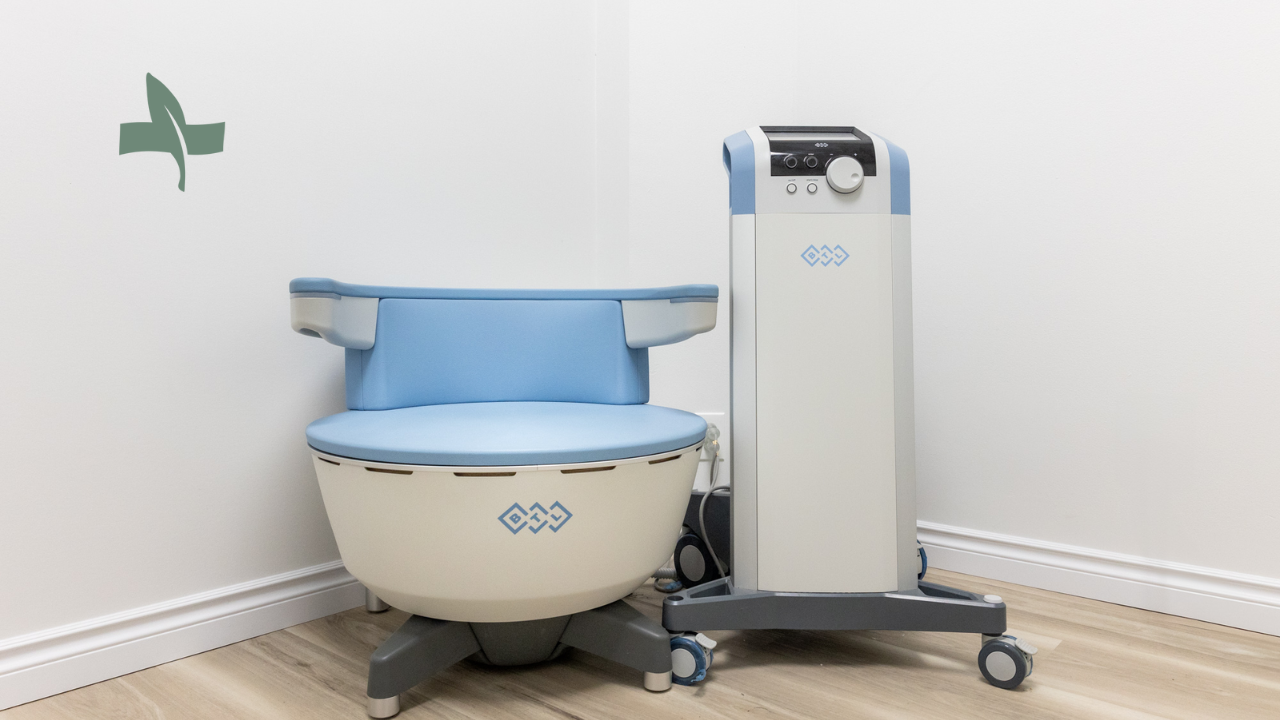
High-Intensity Focused Electromagnetic (HIFEM) Therapy: This non-invasive treatment uses electromagnetic energy to stimulate and strengthen the pelvic floor muscles. Each session triggers thousands of supramaximal contractions — far more than traditional Kegel exercises — helping restore muscle tone and improve bladder control without pain or downtime.
Supportive Measures for Daily Comfort
While undergoing treatment, simple adjustments can improve daily comfort:
Using absorbent pads or protective underwear for reassurance.
Applying barrier creams like zinc oxide or petroleum jelly to prevent skin irritation.
Maintaining a consistent bathroom routine to reduce stress and anxiety about accidents.
Prevention and Long-Term Management
Preventing or reducing urge incontinence symptoms often involves small, consistent habits that promote bladder health.
Healthy Habits to Maintain Bladder Health
Simple lifestyle measures can go a long way in supporting long-term control:
Maintain a healthy weight to reduce pressure on the bladder.
Stay hydrated with water, avoiding excessive caffeine or alcohol.
Manage constipation through fiber-rich foods and adequate hydration.
Quit smoking, as nicotine can irritate bladder tissue and increase coughing-related pressure.
When to Seek Medical Guidance
Consult a healthcare provider if you experience:
Frequent or sudden urges to urinate.
Leakage that interferes with work, sleep, or social activities.
Burning, pain, or blood in the urine.Early evaluation ensures the right diagnosis and treatment plan before symptoms worsen.
Early evaluation ensures the right diagnosis and treatment plan before symptoms worsen.
Outlook and Living Well
Living with urge incontinence can be challenging, but with proper treatment, most people experience noticeable improvement in both symptoms and quality of life.
While it may not completely go away, consistent management through pelvic floor strengthening, bladder retraining, and lifestyle adjustments can help restore confidence and control. Combining behavioral therapies with medical treatments often yields the best long-term results.
Emotional well-being also plays an important role in recovery. Feelings of frustration or embarrassment are common, but open communication with healthcare providers and support from family or friends can ease the stress.
Adopting healthy daily habits — such as maintaining a balanced fluid intake and limiting bladder irritants — helps individuals regain independence and comfort in everyday life.
Key Takeaway
Urge incontinence is common but highly manageable. By understanding the underlying causes, identifying symptoms early, and following a personalized treatment plan, many people regain control over their bladder and daily routines. With guidance from a qualified healthcare professional, it’s possible to achieve lasting relief and live confidently once again.
References
Bo, K., Fernandes, A. C. N. L., Duarte, T. B., Brito, L. G. O., & Ferreira, C. H. J. (2020). Is pelvic floor muscle training effective for symptoms of overactive bladder in women? A systematic review. Physiotherapy, 106, 65–76. https://doi.org/10.1016/j.physio.2019.08.011
Qin, C., Wang, Y., & Gao, Y. (2021). Overactive bladder symptoms within nervous system: A focus on etiology. Frontiers in Physiology, 12, 747144. https://doi.org/10.3389/fphys.2021.747144
Long, C. Y., Lin, K. L., Yeh, J. L., Feng, C. W., & Loo, Z. X. (2024). Effect of High-Intensity Focused Electromagnetic Technology in the Treatment of Female Stress Urinary Incontinence. Biomedicines, 12(12), 2883. https://doi.org/10.3390/biomedicines12122883
read more