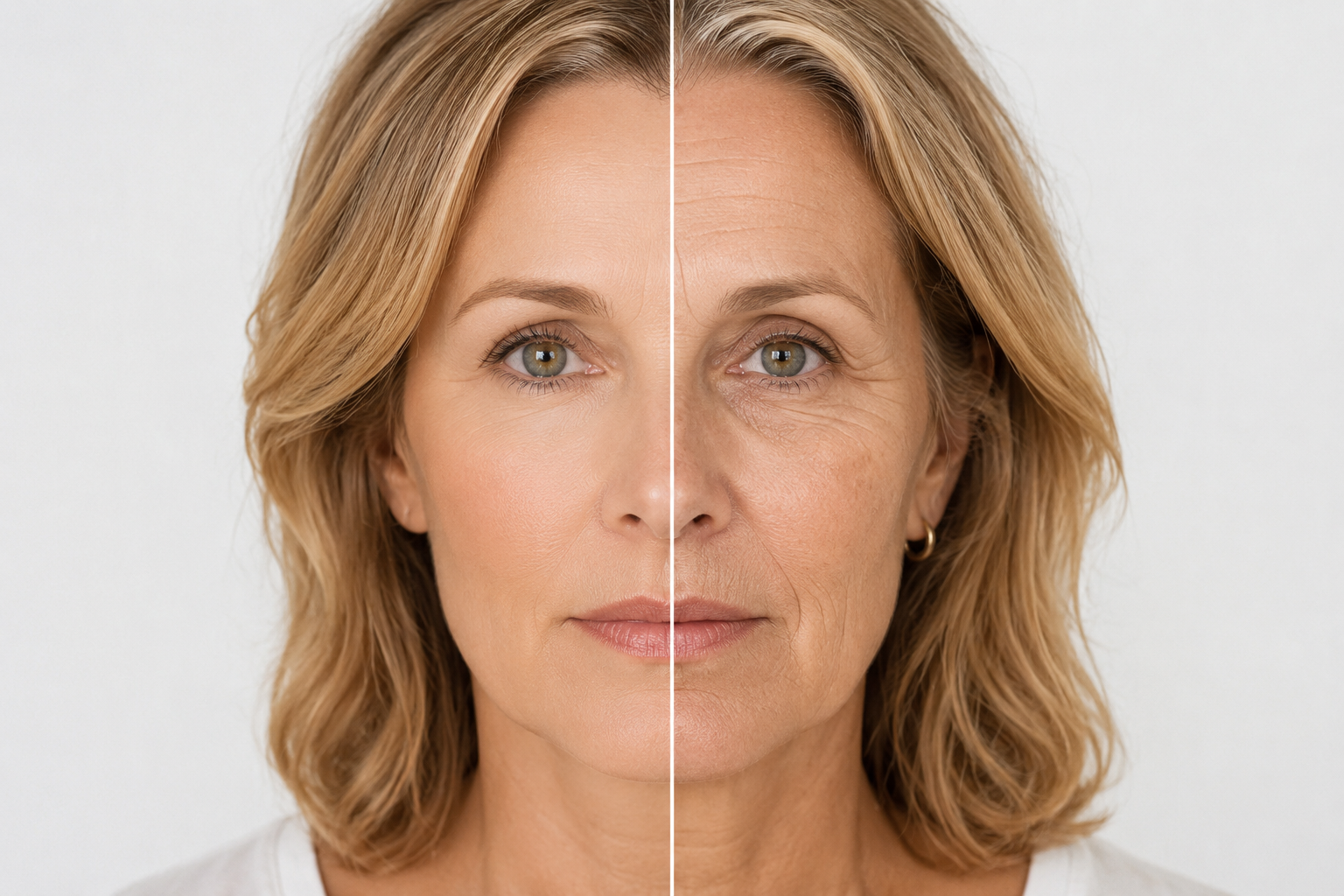
How Stress Affects Hormone Balance
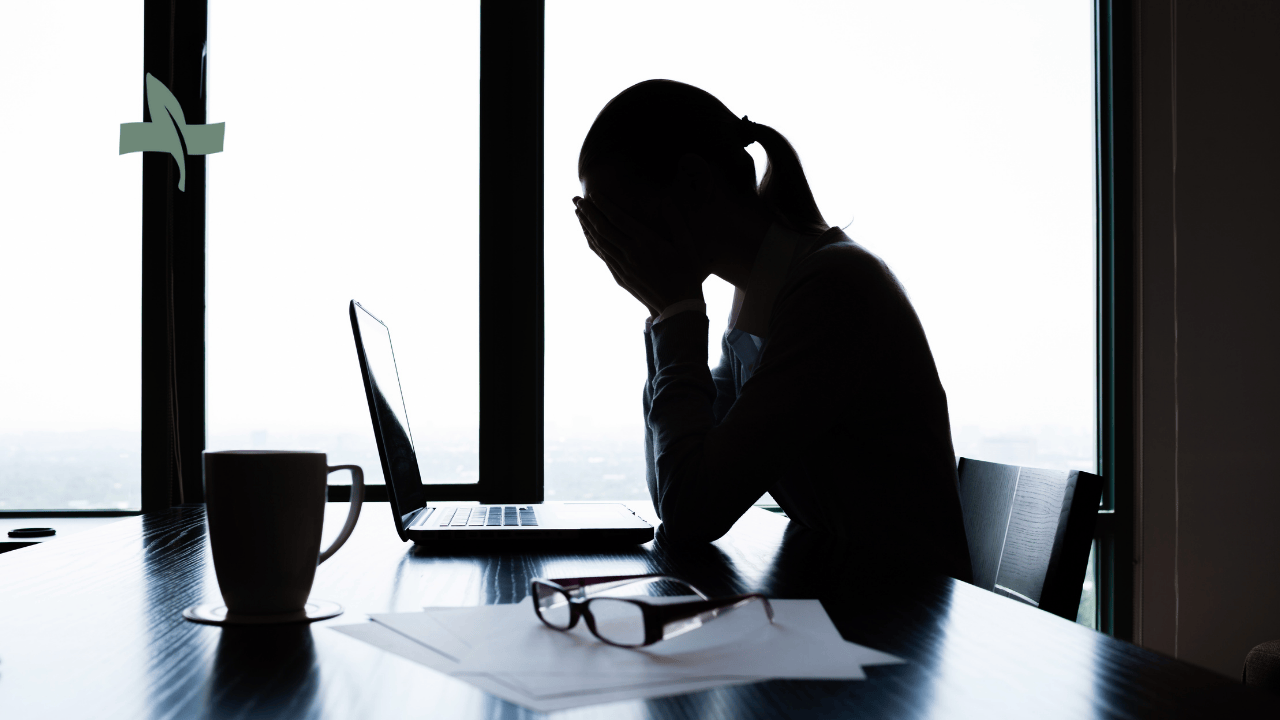
Modern life keeps many of us in a constant state of alert — juggling work, relationships, and responsibilities without much pause. While short bursts of stress can be helpful, chronic stress can disrupt one of the body’s most delicate systems: the endocrine system. Over time, this imbalance in stress hormones like cortisol can interfere with thyroid, reproductive, and metabolic hormones, leading to fatigue, mood changes, irregular cycles, and even weight fluctuations.
Research continues to confirm the mind-body connection. A 2023 review in Frontiers in Endocrinology found that long-term stress alters the hypothalamic-pituitary-adrenal (HPA) axis, a key regulator of hormonal activity. When this system stays activated, it may cause downstream effects that mimic or worsen hormonal imbalance symptoms in both men and women.
Understanding this link is the first step toward restoring balance — not just through medication, but by addressing the root cause: chronic stress.
How Stress Affects Your Hormones
When you experience stress, your body activates the hypothalamic-pituitary-adrenal (HPA) axis, a communication network between the brain and adrenal glands. This system releases cortisol, often called the “stress hormone,” which helps your body respond to immediate challenges by increasing alertness, blood sugar, and heart rate.
While this short-term fight-or-flight response is protective, chronic stress keeps cortisol levels elevated, preventing your body from returning to baseline. Persistently high cortisol can suppress other hormones, including thyroid hormones, estrogen, progesterone, and testosterone—leading to fatigue, mood shifts, menstrual changes, and decreased libido.
Long-term activation of the HPA axis can disrupt the feedback loops that normally regulate hormone production. This imbalance affects metabolism, immunity, and reproductive function, explaining why stress-related hormone symptoms often appear throughout the body rather than in a single organ.
In women, chronic stress may lower progesterone and contribute to estrogen dominance, which can cause PMS-like symptoms or irregular cycles. In men, prolonged high cortisol may suppress testosterone, influencing energy, motivation, and overall mood. Over time, this hormonal disturbance can create a cycle where imbalance further heightens stress sensitivity, making recovery more difficult.
Signs Your Hormones May Be Out of Balance
Hormones regulate nearly every function in the body—from metabolism and mood to sleep and reproduction—so even small imbalances can lead to noticeable changes. Because stress affects multiple hormone pathways, the symptoms can appear subtle at first and vary widely between individuals.
Common physical signs
Fatigue or low energy, even after adequate rest
Changes in weight or difficulty maintaining muscle mass
Irregular menstrual cycles or increased PMS symptoms
Hot flashes, night sweats, or temperature sensitivity
Sleep disturbances such as waking frequently or feeling unrefreshed
Emotional and cognitive symptoms
Mood swings, irritability, or anxiety
Brain fog, poor focus, or memory lapses
Loss of motivation or reduced libido
Feeling overwhelmed or emotionally drained
If several of these symptoms occur together, it may indicate that the body’s normal hormonal feedback loops are being disrupted by prolonged stress. Early recognition allows for timely evaluation and personalized care to restore balance naturally before more serious issues develop.
Natural Ways to Rebalance Stress Hormones
Reducing stress hormone levels begins with restoring balance to the body’s natural rhythms. Because cortisol interacts with nearly every organ system, even small lifestyle adjustments can help bring the endocrine system back into alignment.
1. Prioritize restorative sleep
Adequate sleep is one of the most powerful ways to regulate cortisol. Poor or inconsistent sleep raises stress hormone levels and impairs recovery. Aim for 7–9 hours nightly, maintaining a consistent bedtime and wake time—even on weekends. Creating a dark, cool, and device-free sleep environment helps the body return to its natural circadian rhythm.
2. Support your body through nutrition
Balanced blood sugar keeps cortisol stable throughout the day. Focus on whole foods, including lean protein, complex carbohydrates, and healthy fats such as avocado, olive oil, and omega-3-rich fish. Nutrients like magnesium, B vitamins, and vitamin C also support adrenal health and stress resilience. Limiting caffeine, alcohol, and refined sugar prevents spikes that can further activate the HPA axis.
3. Incorporate movement and relaxation
Moderate exercise—such as walking, yoga, tai chi, or strength training—helps lower stress hormones while promoting endorphin release. Overtraining, however, can increase cortisol, so balance vigorous workouts with gentle restorative activity. Mind-body practices like deep breathing, meditation, or guided imagery can quickly calm the nervous system and reset the stress response.
4. Maintain social connection and emotional health
Human interaction reduces perceived stress and lowers cortisol. Spending time with friends, family, or in supportive communities encourages oxytocin release, which naturally counterbalances the body’s stress hormones.
Small, consistent changes across sleep, diet, movement, and connection can collectively shift the body from “fight-or-flight” to “rest-and-repair,” allowing hormones to gradually stabilize and promoting long-term resilience.
When to Seek Professional Help for Hormonal Imbalance
While lifestyle changes can support natural hormone regulation, there are times when symptoms persist or worsen despite healthy habits. Because stress affects multiple hormone systems, evaluation by a qualified clinician ensures that the underlying cause is accurately identified.
You should consider seeking professional care if you experience:
Persistent fatigue or brain fog that doesn’t improve with rest
Irregular or painful menstrual cycles
Unexplained weight gain or loss
Severe mood changes, anxiety, or low motivation
Sleep problems that continue despite good sleep hygiene
Low libido or other changes in sexual health
A comprehensive assessment may include blood or saliva tests to evaluate cortisol, thyroid function, and sex hormones such as estrogen, progesterone, and testosterone. These results help determine whether your symptoms are due to stress-related dysregulation or another condition requiring treatment.
Clinicians who specialize in integrative or functional medicine often combine evidence-based testing with personalized nutrition, lifestyle modification, and targeted supplements to restore hormonal balance safely. Early intervention not only alleviates symptoms but also prevents long-term effects such as adrenal fatigue, metabolic issues, and reproductive disturbances.
Takeaway
Stress is an inevitable part of life, but when it becomes constant, it can quietly disrupt the body’s natural hormonal balance. Recognizing early signs—such as fatigue, mood changes, irregular cycles, or sleep problems—allows you to take proactive steps before symptoms become overwhelming.
An integrative approach that combines lifestyle modification, nutrition, and stress management can often restore equilibrium without the need for aggressive intervention. Practices like mindful movement, restorative sleep, and balanced nutrition all help your hormones recalibrate naturally over time.
However, lasting wellness comes from understanding your body’s unique needs. Partnering with a clinician who considers the whole picture—physical, emotional, and biochemical—ensures that treatment is both safe and effective. Whether through testing, nutritional support, or guided therapy, personalized care helps your system reset and build long-term resilience.
If you’ve been experiencing persistent stress-related symptoms, consider scheduling a consultation with a provider who specializes in hormonal health. Expert guidance can help identify root causes, create a tailored plan, and support you on the path toward lasting balance.
References
Gaffey, A. E., Bergeman, C. S., Clark, L. A., & Wirth, M. M. (2016). Aging and the HPA axis: Stress and resilience in older adults. Neuroscience and biobehavioral reviews, 68, 928–945. https://doi.org/10.1016/j.neubiorev.2016.05.036
Ranabir, S., & Reetu, K. (2011). Stress and hormones. Indian journal of endocrinology and metabolism, 15(1), 18–22. https://doi.org/10.4103/2230-8210.77573
related blogs